
Causes and symptoms of lower respiratory diseases are important to understand because they help you recognize early warning signs, get timely treatment, and protect your lungs from long-term damage. Lower respiratory disorders refer to problems with the lungs and lower respiratory tract. They affect people worldwide. Sometimes they are mild, allowing you to recover on your own, and sometimes they are serious, requiring immediate medical attention. If you understand the common causes and symptoms, you can pay attention to early warning signs, seek timely treatment, and keep your lungs healthy.
“Click here to learn everything about Lower Respiratory Infections, including Bronchitis and Pneumonia.”
Table of Contents
The lower respiratory tract refers to your lungs, bronchi (large airways), bronchioles (small airways), and alveoli (small air sacs where oxygen is carried into the blood). When these parts become infected, inflamed, or damaged, breathing problems and other health issues can occur. (NCBI, European Lung Foundation).
What Are Lower Respiratory Disorders?
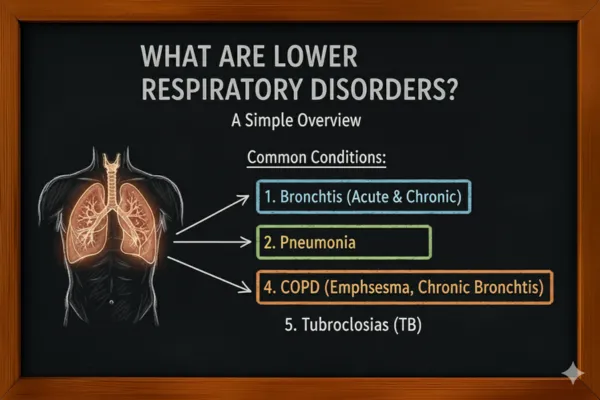
Lower respiratory disorders are diseases that affect the parts of your respiratory system below the voice box (larynx). They differ from upper respiratory infections (such as the common cold, which affects the nose and throat) because they directly involve the lungs and deep airways. (Medical News Today, NCBI).
Some of the most common lower respiratory disorders include:
- Pneumonia – This occurs when the small air sacs in the lungs (where oxygen is carried into the blood) become infected. This can cause breathing problems and fever.
- Bronchitis – This occurs when your larger airways (bronchi) become inflamed. This can cause coughing and excessive mucus production.
- Bronchiolitis – This occurs mainly in babies. The small airways become inflamed, making it difficult for the baby to breathe.
- COPD – This is a long-term lung problem caused by smoking or pollution. The lungs gradually become damaged, causing symptoms such as shortness of breath and fatigue.
- Asthma – This is caused by allergies. The airways narrow, causing shortness of breath and wheezing.
- Tuberculosis (TB) – This is a serious bacterial infection that affects the lungs. Symptoms may include a persistent cough, fever, and weight loss.
How Common Are These Disorders?
Lower respiratory disorders are extremely common worldwide.
- Acute bronchitis affects approximately 4,000 out of 100,000 people each year, making it the most common lower respiratory condition. It is usually short-term and often caused by a cold or infection.
- Pneumonia affects approximately 1,500 out of 100,000 people each year. It is serious and a major cause of death due to infections. (PMC, European Lung Foundation).
- COPD affects more than 400 out of 100,000 people each year. It is the third leading cause of death worldwide. It is usually caused by smoking or pollution and causes long-term lung damage. (WHO).
- Tuberculosis (TB) still affects about 130 out of 100,000 people each year. It is a bacterial infection that primarily targets the lungs and can create serious health problems. (NHS, Wikipedia).
Causes and symptoms of lower respiratory diseases: Common Causes–
1. Bacterial Infections
Bacteria are a major cause of severe lower respiratory illnesses:
- Streptococcus pneumoniae – This is the bacterium that causes the most bacterial pneumonia. Pneumonia infects the air sacs of the lungs, causing breathing problems.
- Haemophilus influenzae – This bacterium can also cause pneumonia and bronchitis. It creates more problems in people who already suffer from COPD.
- Mycobacterium tuberculosis – This bacterium causes TB (Tuberculosis). TB can seriously damage the lungs and, if not treated promptly, can be life-threatening. (CDC, WHO)
Bacterial infections often occur after viral infections because viruses weaken immunity. These bacterial infections usually cause more serious symptoms and require antibiotics to treat. (Care Insurance, NCBI).
2. Viral Infections
Viruses cause most cases of bronchitis and many cases of pneumonia:
- RSV (Respiratory Syncytial Virus) – This virus mostly affects babies and causes inflammation of their small airways (bronchioles). It causes bronchiolitis, which makes breathing difficult for children.
- Influenza virus (Flu) – This virus causes flu. Sometimes, the flu can worsen and reach the lungs, causing viral pneumonia.
- Rhinoviruses – These are common cold viruses. If the body is weak, they can also trigger bronchitis.
- Coronaviruses – Viruses in this group, such as COVID-19, can affect the lungs, causing pneumonia or serious breathing problems.
Antibiotics don’t work against viruses. Therefore, treatment for viral infections primarily focuses on relieving symptoms, such as reducing fever, controlling cough, and resting the body. (Wikipedia).
3. Environmental and Occupational Factors
- Smoking – This causes 85–90% of COPD cases and also increases the risk of lung cancer.
- Air pollution – This makes asthma and infections more severe.
- Workplace chemicals – Such as asbestos, coal dust, and industrial toxins scar the lungs and increase the risk of cancer.
- Indoor smoke – Smoke from cooking fires in developing countries is also very harmful to the lungs and creates serious problems. (WHO).
4. Chronic Diseases and Other Risks
- Heart failure – When the heart weakens, blood begins to pool in the lungs. This fills the lungs with fluid and makes breathing difficult.
- Diabetes – When blood sugar is high, the body’s immunity weakens. This makes the lungs more susceptible to infections.
- Immune suppression – If someone has HIV, cancer, or is taking strong medications, the immune system becomes weakened. Then the body becomes more susceptible to viruses and bacteria.
- Genetics – Some people have a higher risk of developing lung problems like asthma or fibrosis due to family genes. (Mayo Clinic).
Causes and symptoms of lower respiratory diseases: Common Symptoms–
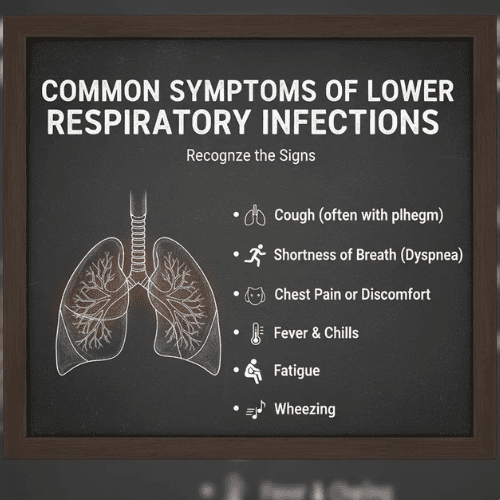
While symptoms vary by condition, some overlap:
Primary Symptoms
- Cough – It can sometimes be dry, sometimes with mucus, and sometimes even be blood-streaked.
- Shortness of breath – Breathing becomes difficult, ranging from mild to severe. This is more noticeable in COPD and asthma.
- Chest pain – Pneumonia can cause stabbing pain in the chest, and COPD or asthma can feel tight or pressure-like.
Additional Symptoms
- Fever – Viral infections cause a mild fever, while bacterial infections can cause high fevers.
- Wheezing – A hissing sound when breathing, which occurs in asthma, COPD, and bronchiolitis.
- Fatigue and weakness – If the lungs are unable to supply oxygen properly, the body becomes tired and feels weak. (American Lung Association).
Severe Warning Signs
If you notice these signs, seek emergency help immediately:
- Blue lips, face, or nails – The body is not getting oxygen.
- Severe difficulty breathing – Breathing is becoming very difficult.
- Coughing blood – If you are coughing up blood, there could be a serious infection or damage.
- Very high fever (103°F+) – The fever is very high, the infection could be serious.
- Confusion or inability to stay awake – The brain is not getting oxygen or the body has become very weak. (Temple Health).
Specific Disorders at a Glance
- Pneumonia – A lung infection. It causes fever, a cough with mucus, chest pain, and difficulty breathing.
- Bronchitis – A persistent cough, often with mucus. It is usually viral and resolves on its own.
- Bronchiolitis – This primarily affects infants. The virus causes wheezing and shortness of breath.
- COPD – Long-term lung damage caused by smoking or pollution. It progresses slowly but can be managed.
- Tuberculosis (TB) – A contagious bacterial infection. It is accompanied by a long-term cough, weight loss, and night sweats.
- Pulmonary Fibrosis – Permanent scarring of the lungs. This causes chronic breathlessness, and the lungs do not function properly.
Prevention Strategies
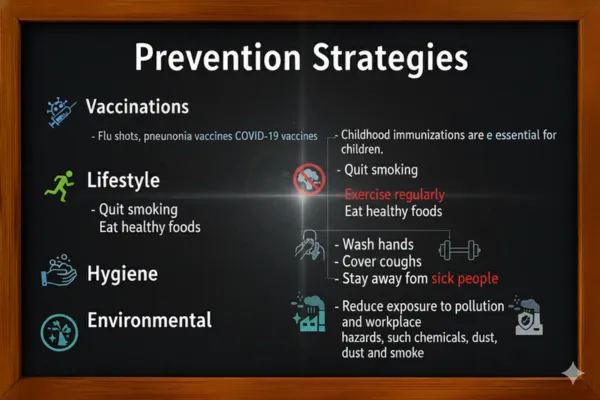
- Vaccinations – Flu shots, pneumonia vaccines, COVID-19 vaccines, and childhood immunizations are essential for children.
- Lifestyle – Quit smoking, exercise regularly, and eat healthy foods.
- Hygiene – Wash hands, cover coughs, and stay away from sick people.
- Environmental – Reduce exposure to pollution and workplace hazards, such as chemicals, d—Reducesmoke.
What causes lower respiratory disorders?
Lower respiratory disorders are often caused by viral (such as flu or RSV) or bacterial infections. Occasionally, dust, pollution, smoking, or weakened immunity can also be the cause.
What are the common symptoms of lower respiratory infection?
The most common symptoms are a persistent cough, difficulty breathing, fever, chest pain, and fatigue. Occasionally, there is also a sore throat and mucus, which may be yellow or green.
Can lower respiratory infections spread from person to person?
Yes, these infections are often contagious. Meaning they can spread from one person to another when an infected person coughs, sneezes, or comes into close contact. Wearing a mask and washing hands provide protection.
Who is more likely to get lower respiratory problems?
Children, older people, smokers, and people with weakened immunity are more likely to experience this problem. People living in polluted environments or those with asthma and diabetes should also exercise extra caution.
When should I see a doctor for these symptoms?

If you experience severe difficulty breathing, a high fever, a cough that lasts more than 7-10 days, or your lips/fingers turn blue, see a doctor immediately. Early treatment can prevent the problem from worsening.
Conclusion
Lower respiratory disorders are common but can be managed with prevention, early recognition, and proper treatment. If you understand the causes and symptoms, you can take proactive steps to protect your lungs. Quitting smoking, keeping vaccines updated, and consulting a doctor if symptoms are persistent are very important for lung health.
“Click here to learn everything about Lower Respiratory Infections, including Bronchitis and Pneumonia.”

- Nipah Virus: A Complete Guide to Symptoms, Treatment, and Prevention (2025 Update) - March 18, 2026
- Nipah Virus Mortality Rate and Survival Chances: A Comprehensive 2025 Guide - February 9, 2026
- Warning Signs Your Body Uses to Show Health Issues - February 2, 2026