
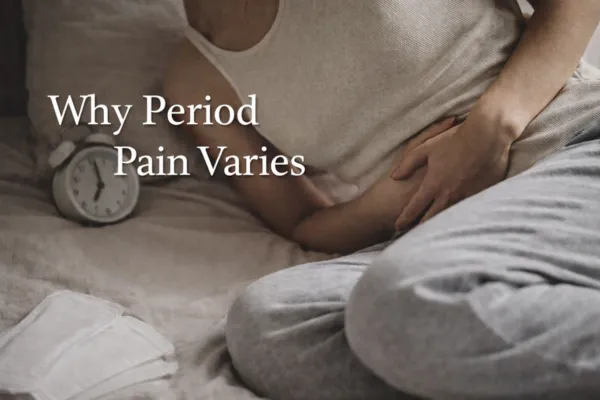
Why period pain varies is not random. If you are a female, you must have thought at some point why it happens that every time you get your period, the pain is different. Period pain is normal. The problem is not that pain occurs; the confusion is that sometimes it is less and sometimes it is very much. There are some months when the pain feels only slight. And in some cycles, the pain is so strong that even working feels difficult. The reason for this is not random. Science has a clear explanation for why the pain is not the same in every cycle. In this blog, we will try to understand this.
Table of Contents
What Causes Period Pain
During periods, the uterus releases a chemical named prostaglandins. This chemical tells the uterus to contract so that the old lining inside can come out. Now remember a simple rule:
→ More prostaglandins = more strong contractions = more cramps (pain) This is why some months the pain is mild, and some months it is very intense.
Why Period Pain Varies Every Month
Your body’s internal chemistry is not the same in every period cycle. Every month, the level of hormones keeps fluctuating a little bit. And even this small hormonal change can increase or decrease the pain. This is why in one cycle the pain feels manageable, and in another cycle, that same pain feels stronger.
1. Hormone fluctuations
Hormones do not stay the same every month. The levels of estrogen and progesterone change slightly in every cycle. If in any month prostaglandins increase more than normal, then the uterus contracts more strongly. Result?
→ Pain feels more sharp and intense This is why the level of pain is not the same in every period.
2. Stress increases pain sensitivity
Taking stress increases the cortisol hormone in the body. Cortisol is a stress hormone. When cortisol is high, muscles become tight The body feels pain more strongly This means that
→ The pain, which would be manageable in a normal situation, feels like more in stress. This is why in stressful months, period pain can feel even more unbearable.
3. Poor sleep makes cramps worse
Sleep controls the body’s hormones and inflammation. When sleep is good:
• Hormones stay balanced
• The body keeps inflammation low
But when sleep is not complete or good, inflammation increases Hormone balance gets disrupted. Result?
→ Discomfort and pain are feel more during periods This is why poor sleep has a direct effect on period pain.
4. Exercise levels change pain
Regular exercise reduces inflammation in the body, and blood circulation becomes better. When movement is good:
• Muscles stay relaxed
• The uterus gets better blood supply
But if physical activity decreases in any month:
• Inflammation can increase
• Muscles stay tighter.
Result? → Cramps feel stronger. This is why in active months pain is usually less, and in inactive months it is more.
5. Diet influences prostaglandin levels
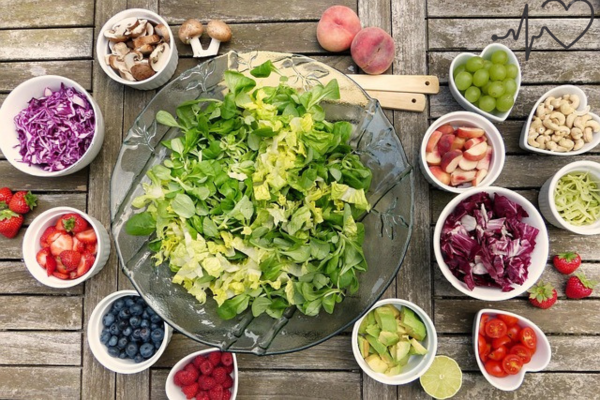
Too much sugar, fried food, caffeine, and processed meat increase inflammation in the body. When inflammation increases:
The uterus contracts more strongly Period pain and cramps increase. Now the good news ↓ Omega-3-rich foods (like nuts, seeds, fish)
Calm the contractions of the uterus a little. Meaning:
→ More junk food = more pain
→ More Omega-3 foods = slightly fewer cramps.
This is why diet has a direct connection with period pain.
6. Underlying conditions that flare unpredictably
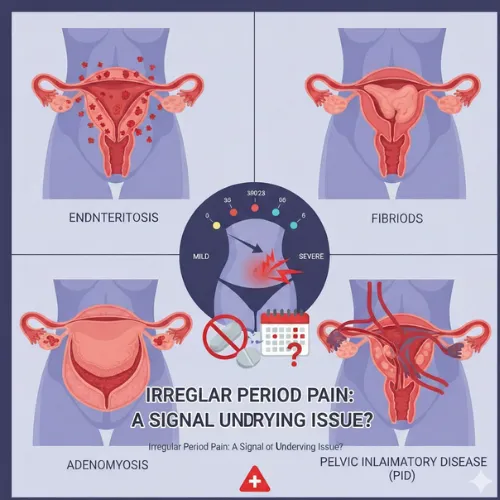
Some medical conditions are such that they make period pain irregular and unpredictable.
Like:
Endometriosis Fibroids Adenomyosis, pelvic inflammatory disease In these conditions, The Pain is not the same every month Is sometimes manageable Sometimes suddenly becomes very much. That is why if the pain is extreme repeatedly and is not controlled by normal painkillers, or if there is pain even between cycles, then this is not just normal cramps but could be a signal of an underlying issue.
7. Cervical opening differences
In some period cycles, the cervix (opening of the uterus) is a little more narrow. Now when the opening is small: More force is required for period blood to come out The uterus contracts more strongly And when the contraction is stronger:
→ Pain automatically increases This is why in some months cramps feel normal. And in some months, without any other reason, the pain increases.
8. Hydration levels

Drinking less water makes the body dehydrated. The effect of dehydration is not just on the legs or hands; the uterus is also a muscle, and it is affected too. When there is less water in the body: Muscles cramp easily Uterus cramps also become more strong and painful Meaning:
→ Dehydration = more period cramps This is why drinking water during periods is a simple but powerful thing.
9. Birth control changes
Hormonal contraceptives keep the body’s hormones in balance. When someone suddenly stops or skips them:
Hormone levels get disturbed Prostaglandins can suddenly spike And when prostaglandins increase: → The uterus contracts more strongly. → Cramps or pain increase This is why after stopping contraceptives, period pain can feel like more in some cycles.
10. Hormonal aging (30s to early 40s)
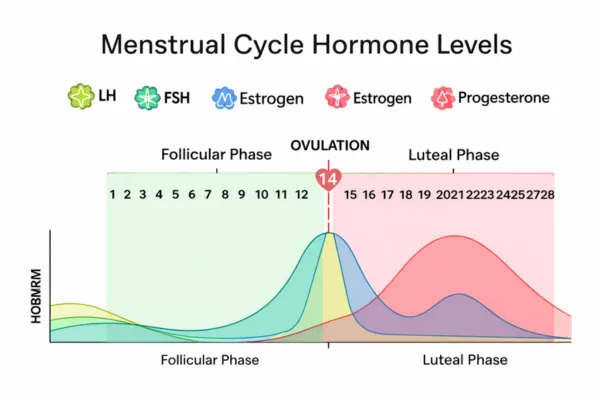
Early perimenopause means that the body is entering the phase before menopause. In this phase, hormones suddenly dip up and down Estrogen and progesterone do not stay stable The result is that sometimes period pain is light Sometimes it becomes very strong without warning This is why in early perimenopause, the pattern of pain becomes unpredictable.
“Best Ayurvedic Approaches for Hormonal Balance”
When You Should Seek Medical Help
Sudden severe pain
• Pain lasting longer than usual
• Pain and heavy bleeding
• Pain with vomiting or fainting
• Pain that does not improve with NSAIDs
• Pain that disrupts work or daily activities
These symptoms may indicate endometriosis, fibroids, or adenomyosis.
Natural Ways to Reduce Period Pain
• Warm compress
• Light stretching or walking
• Reduce caffeine
• Drink enough water
• Omega-3 foods
• Magnesium-rich foods
• NSAIDs if medically safe
Final Word
Period pain keeps changing because. Every month hormones, stress level, sleep, diet, and physical activity are never exactly the same. Because of this, Some cycles feel easy Some cycles become more painful When you understand your body’s patterns, like when stress is high, how sleep was, what the food was, and how much activity there was, then you can manage the pain better.
Why does period pain feel different even when my cycle is regular?
Even if periods are coming on time, your hormones, stress, sleep, and lifestyle are not the same every month. Sometimes stress is more, sometimes sleep is less, and sometimes the diet is a bit heavy. These small things affect the contractions of the uterus, which is why the level of pain keeps changing.
Can lifestyle changes really reduce period pain intensity?
Yes, and these have a very strong effect. Regular movement, good sleep, drinking more water, and reducing junk food decrease inflammation in the body. When inflammation decreases, uterus cramps naturally become less painful. Fixing lifestyle is a slow process, but it is the most effective in the long term.
Why are some periods painful even when medical reports are normal?
Every pain does not mean a disease. Sometimes hormonal imbalance, stress, or dehydration becomes so strong that even after reports are normal, the pain feels like more. Tests being normal does not mean that the pain is imaginary. It is just a signal that the body’s balance is a little off.
How can I predict which cycle will be more painful?
Observe your body. If in any month stress was high, sleep was low, exercise was missed, or you ate too much sugar, caffeine, or fried food, then chances are that the next period will be more painful. People who track their patterns stay better prepared for the pain in advance.

- Nipah Virus: A Complete Guide to Symptoms, Treatment, and Prevention (2025 Update) - March 18, 2026
- Nipah Virus Mortality Rate and Survival Chances: A Comprehensive 2025 Guide - February 9, 2026
- Warning Signs Your Body Uses to Show Health Issues - February 2, 2026