
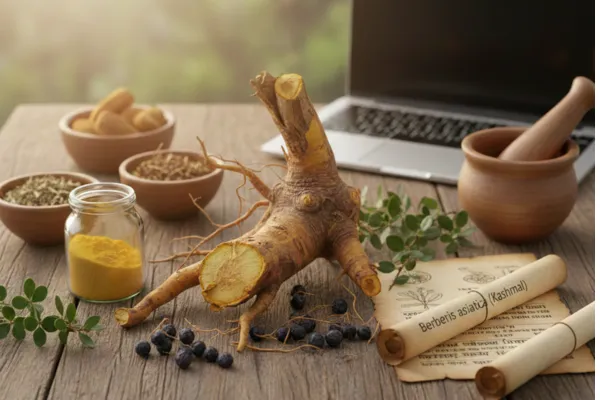
Berberis asiatica (Kashmal), locally known as Kashmal in the Himalayan regions of India, is a thorny medicinal shrub that has been used for centuries in Ayurveda and traditional mountain healing. Its sour, edible berries and bright yellow roots are rich in the alkaloid berberine, which gives Kashmal its strong digestive, liver supporting, antimicrobial and eye health benefits. For anyone interested in Himalayan herbs, berberine rich plants, natural remedies for vision, digestion and skin, Kashmal (Berberis asiatica) is a very important plant to understand.
What Is Berberis asiatica (Kashmal)?
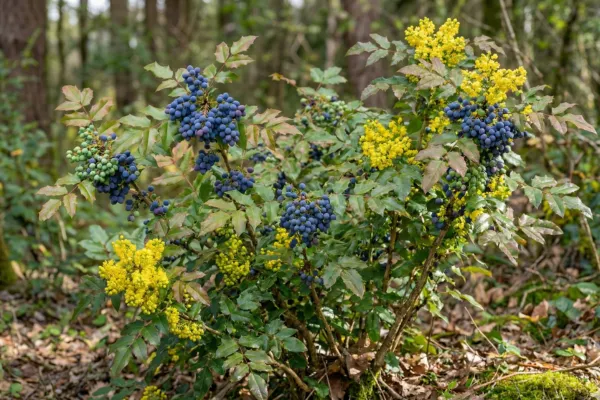
Berberis asiatica is commonly known as Kashmal. Its botanical name is Berberis asiatica, and it belongs to the Berberidaceae family, which is also known as the barberry family. This plant is naturally found in the Western Himalayas, specifically in the mountainous regions of Jammu and Kashmir, Himachal Pradesh, and Uttarakhand, as well as the surrounding hilly areas of North India.
In rural areas, people often refer to various species like Berberis aristata (Kashmal), Berberis lycium, and Berberis vulgaris collectively as “Kashmal,” which leads to considerable confusion. However, from a botanical perspective, Berberis asiatica is a distinct species with its own specific distribution and characteristics.
From the viewpoint of Ayurvedic and herbal medicine, Kashmal is considered a bitter tonic. It helps in improving digestion and stimulating the liver. Additionally, it is used for eye health and vision support. In herbal practices, Kashmal is also recognized as a herb that supports skin health, immunity, and metabolism.
How To Identify the Kashmal Plant
Botanical Classification
The botanical classification of Berberis asiatica (Kashmal) falls under the plant kingdom. It belongs to the Kingdom Plantae and its family name is Berberidaceae. Its genus is Berberis, and the species is specifically designated as Berberis asiatica.
Common features are observed among plants within this family. These plants are typically thorny, have a very bitter taste, and contain isoquinoline alkaloids. The most significant compound among these is berberine. It is this berberine that provides these plants with their medicinal value, which is why plants like Kashmal are considered very important in Ayurveda and herbal medicine.
Physical Appearance and Growth Habit
Kashmal is a thorny, shrub-type plant that typically grows to a height of 1 to 3 meters. Its growth pattern is quite dense and bushy; because of this, it is often used as a natural hedge, especially in mountainous regions. To identify this plant, the first signs are its stems and thorns. Young stems are often reddish or yellowish in color, while older stems develop a grey bark. Its branches feature very sharp thorns that usually emerge in groups of three or more. The leaves are narrow and lance-shaped, arranged in an alternate order along the stem. The edges of the leaves are slightly spiny, and their overall color appears grayish-green.
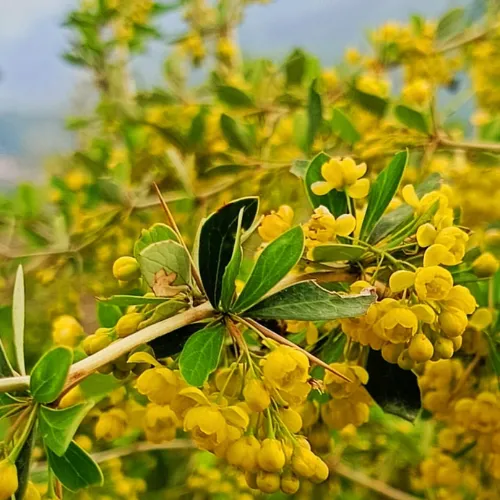
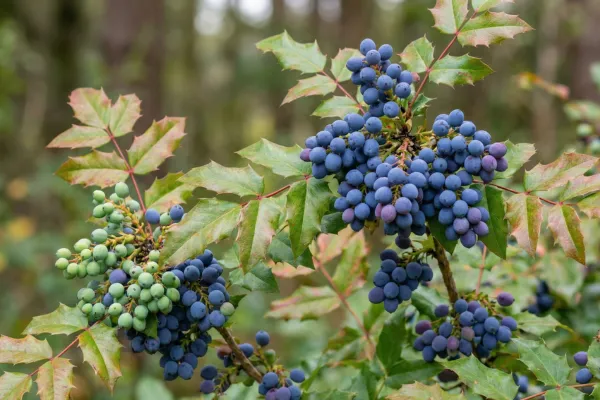
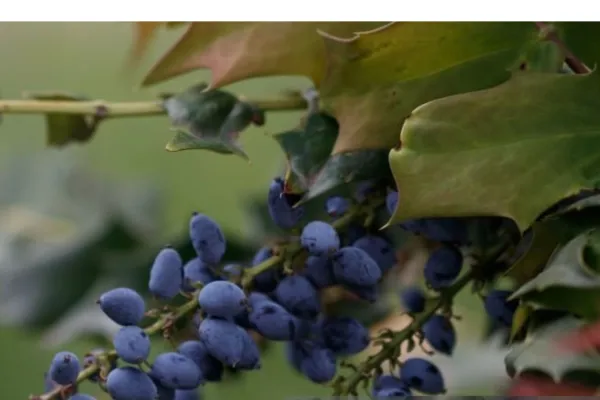
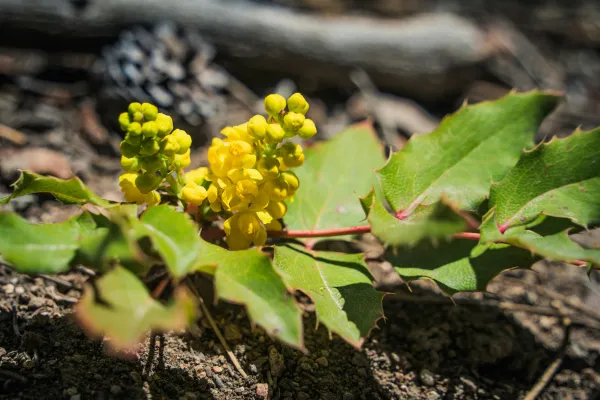
During the spring season, roughly between March and April, Kashmal produces small but bright yellow flowers. These flowers are fragrant and grow in drooping clusters, which significantly attract bees and other pollinators. After the flowers fall, small round berries form, measuring about 6 to 8 mm in size. Initially, these berries are red, but they turn blue to bluish-black upon ripening. They are covered with a white waxy layer, much like blueberries. Each berry contains 1 to 3 hard seeds. The combination of bright yellow flowers, thorny branches, and blue-black berries makes Berberis asiatica quite easy to identify once you know what to look for.
Quick Identification Guide
Fruit: Bluish-black berries with a waxy coating
Height: 1–3 meters
Thorns: Sharp, in groups of 3+
Flowers: Yellow, fragrant clusters (March–April)
Habitat and Natural Distribution
Kashmal is a high-altitude Himalayan shrub that primarily grows naturally in elevated mountainous regions. It is typically found at altitudes ranging from 2,000 to 3,500 meters, where the climate is cold and the environment is somewhat rugged. This plant is frequently spotted on rocky slopes, in open forests, along forest edges, and in scrublands or degraded hilly terrains. Regarding soil, Kashmal is not a demanding plant. It prefers well-drained soil, which can range from slightly alkaline to neutral. It grows well even in poor and stony soil where many other plants fail to survive.
In terms of climate, Kashmal is best suited to a cool temperate climate. It can tolerate a fair amount of frost, and its growth is even better in areas that receive good rainfall. Due to its hardy nature and resilient qualities, Kashmal is not limited just to the wild. It is used in afforestation projects to increase greenery on mountains. Additionally, it is highly useful for soil erosion control, as its roots bind the soil together, helping to stabilize degraded hillsides.
Kashmal Berries: Edible, Sour and Medicinal
How Kashmal Berries Look and Taste
The berries of the Kashmal plant are small, round, and smooth. When they are fully ripe, their color turns dark blue or bluish-black. They have a thin, natural white waxy layer on the surface. As for the taste, these berries are very sour with a hint of bitterness. They are not sweet at all, unlike strawberries or blueberries. Inside these berries are hard seeds, which are typically not chewed.
Nutritional and Phytochemical Profile
The nutritional content of Berberis asiatica (Kashmal) berries varies slightly depending on the location and climate, but they generally contain several beneficial nutrients. These berries are rich in Vitamin C, which helps strengthen the body’s immunity. They also contain compounds like anthocyanins and polyphenols, which are powerful antioxidants that protect the body from free radicals.
Their sour taste is mainly due to organic acids such as citric acid and malic acid. Additionally, they contain small amounts of berberine and related alkaloids, which are considered very important in traditional medicine. Berberis asiatica (Kashmal) berries also provide minerals like potassium, calcium, and magnesium, which are essential for normal bodily functions. They contain a moderate amount of fiber as well, which helps improve digestion. The combination of all these nutrients makes Kashmal berries useful for immunity support, antioxidant protection, and digestion
Traditional Culinary and Folk Uses
In Himalayan villages, Kashmal berries are used in several ways. People often consume fresh berries directly in small quantities as a seasonal sour fruit. Children, in particular, enjoy them as a natural tangy snack because of their sharp, tart flavor. Jams and preserves are also prepared from these berries. They are cooked with sugar or sometimes honey to balance their intense sourness with sweetness. This jam is typically spread on rotis or used in various desserts.
To ensure they last longer, Berberis asiatica (Kashmal) berries are often sun-dried. These dried berries are then added to herbal teas, syrups (sharbat), or specific Ayurvedic mixtures, making it possible to use them throughout the year. In some regions, the berries are boiled in water to make a decoction (kadha) or juice. Ingredients like ginger, cardamom, or other local spices are sometimes added to enhance both the flavor and medicinal benefits. In villages, these drinks are believed to be beneficial for eyesight and digestion. Furthermore, Kashmal is used in traditional medicines, syrups, and ghee-based preparations, which are primarily used to promote eye health and general wellness.
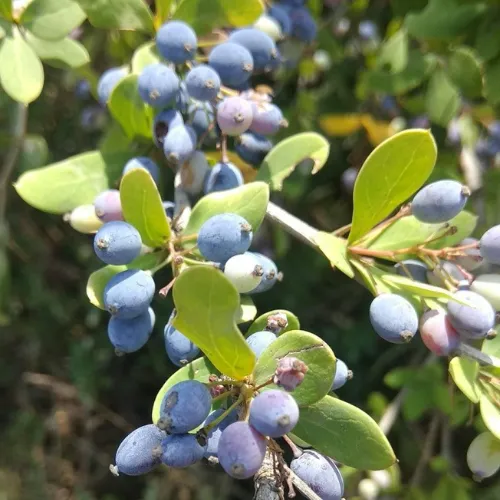
In the mountains, Berberis asiatica (Kashmal) berries are valued not just as a food source but also for their significant health benefits. The anthocyanins present in them act as strong antioxidants, helping to reduce oxidative stress in the body and protecting cells from damage. These berries are also a source of Vitamin C, which supports the immune system and helps the body fight off infections. This is why people consider it beneficial to consume them during their peak season. Traditionally, Berberis asiatica (Kashmal) is closely linked to eye health. In villages, it is believed that regular and controlled consumption helps improve vision and reduces eye strain.
Their sour profile is also beneficial for digestion. It stimulates digestive juices and bile flow, which can help improve appetite and ease the digestive process. In addition to these benefits, Kashmal berries are used in the mountain diet as a tonic fruit, supporting overall strength and general wellness.
Berberis asiatica (Kashmal) Roots: The Main Medicinal Part
Appearance and Active Compounds
When the root of the Kashmal plant is cut or scraped, the wood inside appears bright yellow. This yellow color is due to a compound called berberine, which is the most significant element in this plant. Along with this, several other related alkaloids are present that enhance its overall effect. The primary constituent of Kashmal is berberine. This compound is responsible for the yellow pigment and works effectively against infections in the body. It supports the liver, boosts metabolism, and helps improve the digestive system. Additionally, alkaloids like palmatine and columbamine are present, which further strengthen the actions of berberine.
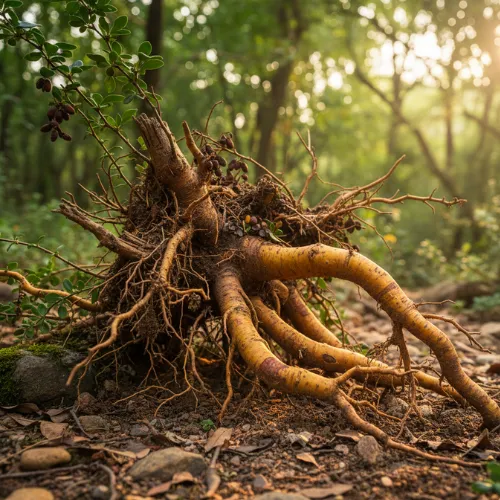
The roots also contain tannins and resins, which act as astringents to tighten body tissues and help fight germs. Furthermore, phenolic compounds and bitter elements provide antioxidant benefits, improve digestion, and are beneficial for liver health. The concentration of alkaloids in Kashmal roots is at its highest during autumn and early spring. For this reason, the roots are typically harvested during these seasons to obtain the most potent raw material for medicinal use.
Traditional Harvesting and Preparation
Traditionally, the harvesting of Berberis asiatica (Kashmal) is done with great care. Generally, the roots of old and mature plants are extracted. Instead of removing the entire root system, only a portion is taken so that the plant can regrow and does not perish. After extraction, the roots are thoroughly cleaned, cut into small pieces, and then dried in the sun or under mild shade.
Once the roots are completely dry, they are stored in airtight containers to prevent moisture and maintain their quality. Berberis asiatica (Kashmal) is used in several ways. The most common method is a decoction, which is essentially Kashmal root tea. For this, approximately 1 to 2 grams of dried root are boiled in 250 ml of water for 10 to 15 minutes. It is then strained and consumed once or twice a day.
Another method is a tincture, where the Kashmal root is extracted in alcohol, often using 60% concentration. This is very potent and is therefore taken in very small doses as drops. Some people also use it in powder form. The dried root is finely ground into a powder, with a typical dosage ranging from 500 mg to 1 gram. Another traditional method involves medicated ghee or oil, where the root is cooked with ghee or oil to prepare the formula. This is used internally in some preparations and sometimes applied topically for skin problems.
In Ayurveda, Kashmal is often not administered alone. It is combined with detoxifying and liver-supporting herbs like Neem, Turmeric (Haldi), Kutki, and Triphala, which enhances its overall effectiveness.
Key Medicinal Uses and Health Benefits of Berberis asiatica (Kashmal)
1. Eye Health and Vision Support
One of the oldest and most famous traditional uses of the Kashmal root is for eye health. It has been used conventionally for issues like weak eyesight and blurred vision. It is also considered beneficial for people who experience eye strain due to excessive reading or frequent use of mobile phones and close-up work.
In some regions, water boiled with Kashmal root is cooled and used as an eye wash for mild infections or redness; however, this is strictly done under the guidance of an expert or a traditional practitioner (Vaidya). Using it incorrectly can be harmful to the eyes.
Berberis asiatica (Kashmal) is also traditionally recommended to support eye health in old age. In Ayurvedic terms, Kashmal is regarded as a herb that reduces ‘heat’ and inflammation in the eyes. The presence of antioxidant and anti-inflammatory properties provides scientific support to these claims, making it highly valued for ocular health.
2. Digestive and Liver Support
Berberis asiatica (Kashmal), commonly known as Kashmal, is considered a potent bitter tonic. Its bitter taste stimulates the body’s digestive system. It helps in increasing appetite and strengthens ‘Agni‘ (the digestive fire). This improves the production of digestive enzymes and bile, which allows fatty and heavy foods to be digested more easily. For individuals with a sluggish liver or mild congestion, Kashmal aids in improving digestion. The berberine present in it works against harmful bacteria in the gut. For this reason, it has been traditionally used in certain cases to manage loose motions caused by infections.
The use of Berberis asiatica (Kashmal) is also mentioned for problems like intestinal worms, parasites, and gut imbalance. However, this is always done under the supervision of an expert or a Vaidya, as this herb is quite potent. In Ayurveda, Kashmal is often a key ingredient in bitter medicines and liver tonics. Additionally, it is mixed into herbal churnas (powders) formulated for digestion to ensure a clean gut and a properly functioning digestive system.
3. Skin Conditions: Eczema, Psoriasis and Acne
Due to its anti-inflammatory and antimicrobial properties, Berberis asiatica (Kashmal) has been traditionally used to manage various chronic skin conditions. In cases like eczema and psoriasis, it is often administered internally to reduce internal inflammation and ‘heat’ within the body. In some traditional formulations, Kashmal is also applied topically as an oil or ointment. For acne and oily skin, Kashmal’s effectiveness is attributed to its antibacterial properties. It works against acne-causing bacteria and can help control excess skin oil to some extent. This is why it is occasionally used for pimple-prone skin.
In cases of dermatitis and mild skin irritation, Berberis asiatica (Kashmal) is often combined with other soothing herbs to reduce burning sensations, redness, and itching. It also has traditional uses for wound healing. A decoction, poultice (lep), or paste made from Kashmal root was sometimes used as a wound wash to keep the injury clean and promote proper healing. All these uses are based on traditional experience and should always be practiced under the guidance of an expert.rely used alone for skin disease, it is usually part of a broader herbal and lifestyle protocol.
4. Immune and Infection Support
Plants rich in berberine, such as Kashmal, are well-known for their potent antimicrobial properties. According to traditional knowledge, it supports the body in fighting various types of infections. It is considered helpful for respiratory issues, such as mild respiratory tract infections, where it assists in inhibiting the growth of germs.
The use of Berberis asiatica (Kashmal) is also documented for digestive system infections, specifically for issues caused by bacterial overgrowth in the gut. Similarly, in certain traditional practices, it has been used to support the body during urinary tract infections. It is also mentioned in the context of fungal and yeast infections on the skin, especially when the problem is recurrent. However, it is crucial to understand that Kashmal is not a replacement for antibiotics in serious infections. It should only be used as a supportive herb under the guidance of a doctor or a Vaidya to ensure that the treatment remains safe and effective.
“Do you know Himalayan Wild Rose Hips are among nature’s richest plant sources of Vitamin C?”
5. Metabolic and Blood Sugar Support
Research indicates that berberine can help in controlling blood sugar levels. It improves insulin sensitivity, meaning the body is able to utilize insulin more effectively. Additionally, it provides support in balancing cholesterol and triglyceride levels.
For this reason, Kashmal root is included in various herbal formulas in traditional medicine. These are often used during the early stages of metabolic imbalance, when the problem has just begun. It is also considered a supportive herb for mitigating the effects of lifestyle-related issues, such as poor diet, lack of physical activity, and stress.
While more scientific data is available on isolated berberine today, many traditional systems still prefer preparations made from the whole Kashmal root. It is believed that when the root is administered in its entirety, its various constituents work together synergistically to produce a better effect.
6. Uterine and Menstrual Health (Ayurvedic Context)
In certain Ayurvedic formulas, Berberis asiatica (Kashmal) is used to address several health issues related to women. Due to its astringent nature, it is sometimes included in treatments to control heavy menstrual bleeding. Furthermore, it has a documented limited use, in combination with other herbs, for managing irregular periods.
In some traditional systems, Kashmal is also administered for postnatal recovery after delivery; however, the dosage is kept very low and it is always given under strict supervision. It is extremely important to note that Kashmal should not be used during pregnancy. The berberine present in it can affect uterine contractions, which may pose a risk to both the mother and the baby. Therefore, it is strictly avoided during pregnancy.
Who Should Avoid Berberis asiatica (Kashmal) ?
Kashmal is not safe for everyone. Pregnant women must strictly avoid its use. Similarly, breastfeeding mothers should not consume it unless specifically advised by a qualified doctor or a Vaidya.
Its use is also avoided for newborns and young children, as this herb is quite potent.
Those who are already on medication must exercise extreme caution. Specifically, if someone is taking diabetes medication, blood pressure medicine, blood thinners, certain antibiotics, or drugs metabolized by the liver, Kashmal may either enhance or diminish their effects.
Furthermore, it is not considered safe for individuals with serious liver or kidney problems. Since it can affect blood pressure, those who already suffer from low blood pressure (hypotension) might find their condition worsening. Therefore, in all such cases, it should never be used without expert medical consultation.
What are the Possible Side Effects of Berberis asiatica (Kashmal) ?
If Kashmal is consumed in excessive quantities or for a long duration, certain side effects may occur. Some individuals might experience nausea, stomach burning, or general discomfort. Occasionally, it can lead to loose motions or abdominal cramps. In some cases, headaches may occur, and in rare instances, allergic reactions have been observed.
If Kashmal is taken alongside diabetes medication, it can cause blood sugar levels to drop significantly, which can be dangerous. Therefore, it should never be combined with other medicines without careful consideration and professional advice.
To minimize risks, one should always start with a low dose. Self-medication for an extended period should be avoided. If long-term use of Kashmal is required, seeking proper guidance from a doctor or an experienced Vaidya is the safest approach.
Is Berberis asiatica (Kashmal) the same as barberry?
Kashmal is a type of barberry plant, scientifically known as Berberis asiatica. However, it is important to understand that not every barberry species is referred to as Kashmal. There are numerous species of barberry, and the properties of each can vary slightly.
In different regions, people use the name ‘Kashmal’ for various Berberis species. While in some places Berberis asiatica is called Kashmal, in others, a different Berberis plant might be identified by the same name. Therefore, in traditional medicine, the correct identification of the plant is crucial, as any variation can lead to differences in both effectiveness and safety.
Is Berberis asiatica (Kashmal) safe in pregnancy or breastfeeding?
No, it is generally avoided in pregnancy and usually not recommended in breastfeeding without strict professional supervision.
Can Berberis asiatica (Kashmal) alone cure eye disease or serious liver problems?
No. It may support eye and liver health, but it does not replace medical treatment. Always consult a doctor for serious conditions.

- Nipah Virus: A Complete Guide to Symptoms, Treatment, and Prevention (2025 Update) - March 18, 2026
- Nipah Virus Mortality Rate and Survival Chances: A Comprehensive 2025 Guide - February 9, 2026
- Warning Signs Your Body Uses to Show Health Issues - February 2, 2026
I also conceive hence, perfectly pent post! .