
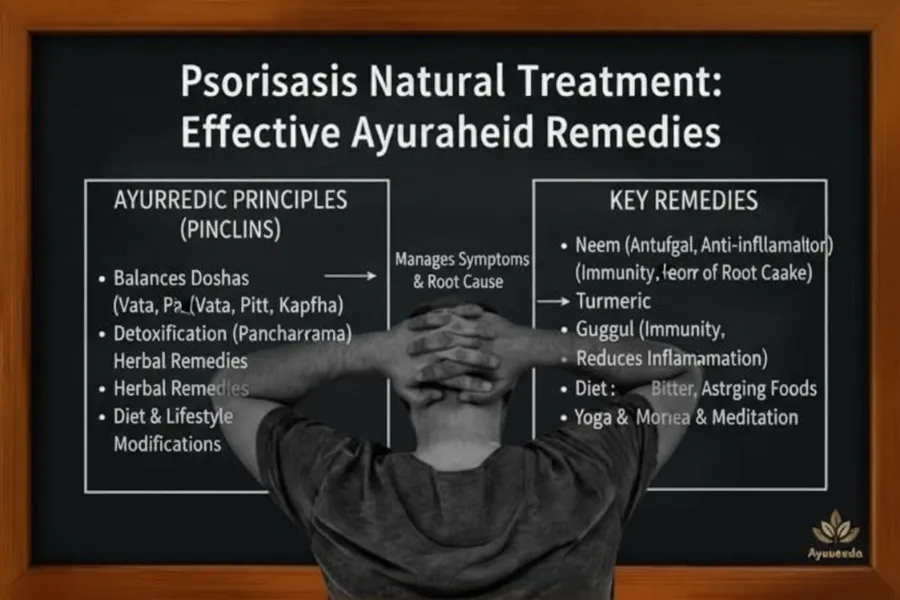
Psoriasis is a skin disease that can stay in the body for a very long time, and many people look for psoriasis natural treatment options to manage symptoms safely. Psoriasis affects over 125 million people worldwide and about 8 million people in the USA alone.
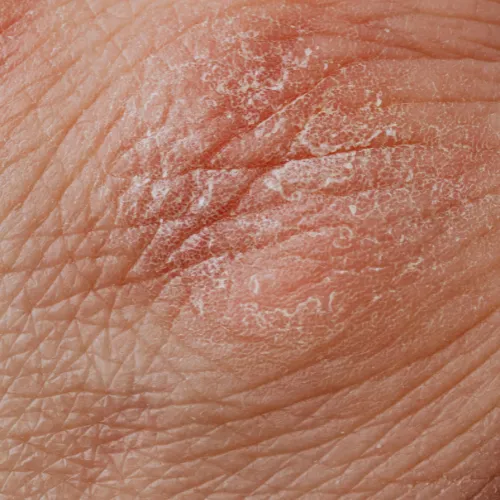
It causes red, dry, and flaky patches on the skin. Many people feel pain, and some feel a burning sensation. Although allopathic treatment is available, because this condition lasts for a long time, people prefer to try Ayurvedic medicine. The main reason is that allopathic medicine can show side effects in the long term and sometimes even in the short term, while Ayurvedic medicine usually does not have side effects. This is why it is used more often for psoriasis.
(Source: Mayo Clinic)
Table of Contents
Why Does Psoriasis Occur?
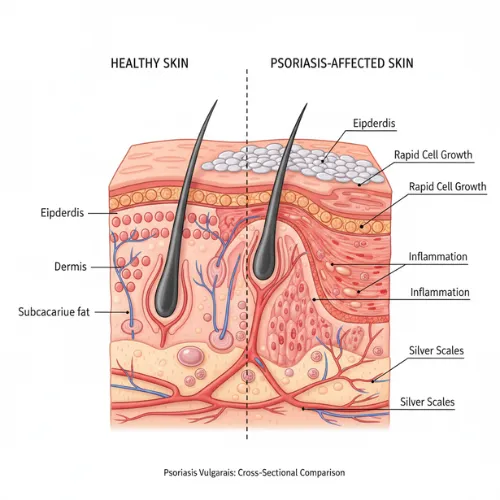
As I mentioned before, psoriasis is a skin disease. The main reason behind it is the immune system, the same immune system that protects us from illnesses. Let’s understand: in psoriasis, the body’s immune system mistakenly attacks healthy skin again and again. Because of this, the skin that normally regenerates in 30 days starts forming in just 4–5 days. This means that the skin forms very quickly and then keeps peeling off.
(Source: Cleveland Clinic)
Common Symptoms of Psoriasis
- Red skin with a white flaky layer on top
- Very dry skin, sometimes even leading to slight bleeding
- Itching, burning, and sometimes pain
- Nails may become thick, and in some cases joint pain is also seen
Psoriasis Natural Treatment Methods
The psoriasis natural treatment approach includes turmeric, aloe vera, and moisturizing oils. Many people prefer natural treatment for psoriasis to avoid side effects.
1. Turmeric: The Golden Healer
Turmeric helps reduce inflammation and also helps reduce other symptoms.
How to use:
- Turmeric milk is the best
- Grind turmeric or make a paste and apply it directly to the affected area
- Turmeric capsules are also a good option, but consult a doctor first
2. Aloe Vera: Natural Skin Soother
Aloe vera naturally soothes the skin and reduces redness and dryness.
How to apply:
- Apply pure aloe vera gel 2–3 times a day
- Using fresh gel directly from the plant is the best option
3. Moisturizing Treatments
Dry skin makes psoriasis worse and can cause pain, so it is important to keep the skin moisturized.
Best practice:
- Coconut oil is the best
- Apply moisturizer
- Keep some moisture in the room if needed
4. Therapeutic Baths
· Epsom Salt Bath: Helps reduce inflammation and soften the skin
· Oatmeal Bath: Very helpful for soothing itching and redness
(Cleveland Clinic)
· Do not use hot water; use lukewarm water
· Soak for 15–20 minutes
· Apply oil or moisturizer afterward
Ayurvedic Approach to Psoriasis Treatment
In Ayurveda, psoriasis is called Kitibha or Ekakushtha. It is caused by an imbalance of Vata and Kapha. Ayurveda focuses on balancing the immune system and removing toxins.
(Ayusanjivani)
Key Ayurvedic Herbs
1. Neem
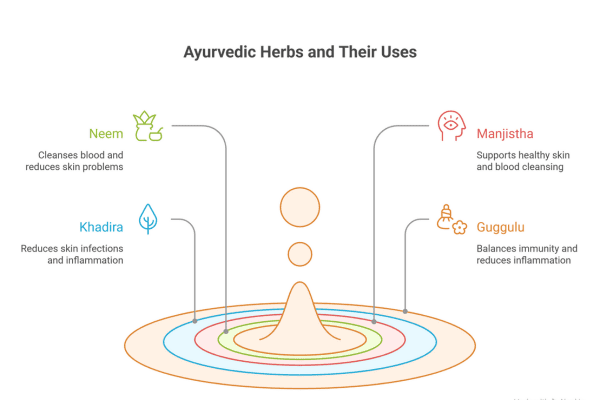
Neem cleans the blood and helps reduce skin problems.
How to use:
· Apply neem oil to the affected area
· Apply a paste made from neem powder
· Take neem capsules under an Ayurvedic doctor’s guidance
2. Manjistha
Manjistha helps cleanse the blood and supports healthy skin.
3. Khadira
Khadira helps reduce skin infections, spots, and inflammation.
4. Guggulu
Guggulu reduces inflammation in the body and helps balance immunity.
Panchakarma: Deep Detox Therapy
Panchakarma is an Ayurvedic therapy that removes toxins from the body and balances the doshas.
(Ayur Heritage). It is considered an all-in-one treatment for many conditions. If you are healthy, I would suggest trying it once. This therapy can last 5–7 days, and you may feel something you have never experienced before.
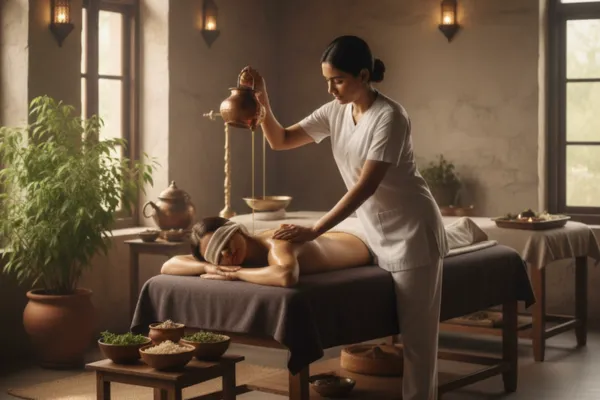
Key treatments include:
· Vamana: Removes excess Kapha
· Virechana: Very helpful for liver and Pitta detox
· Abhyanga: Warm oil massage for relaxation and circulation
Dietary Management for Psoriasis
Diet plays an important role, not only in psoriasis but in every disease.
Foods to Include
· Fish with omega-3 (Salmon, Sardine), or omega-3 capsules if fish is not available or if vegetarian
· Green vegetables
· Fruits and whole grains daily
· Olive oil and coconut oil for cooking and for applying
Foods to Avoid
· Avoid red meat and dairy
· Reduce gluten and processed foods
· Avoid tomato, potato, and brinjal (nightshade family)
· Avoid alcohol until you recover (Medical News Today)
“These days diabetes is extremely common, but a good diet can help keep it under control. If you’d like to see a practical diet plan that actually works, you can read my Diabetes Diet Guide here.”
Stress Management and Mind-Body Connection
Stress can trigger or worsen psoriasis. Since this condition appears on the skin, it can affect confidence and increase stress. So managing stress is important.
(PMC Study)
Yoga and Meditation Benefits:
- Studies show meditation improves psoriasis symptoms in 8–12 weeks
- Lowers cortisol (stress hormone)
(Sanjeevanam)
Practices to Try:
- Deep breathing (Pranayama)
- Light Yoga (Avoid Sweating)
- 15–20 minutes of daily meditation
- Remember that this is not permanent. It may affect your skin but not who you are.
Essential Oils and Natural Treatments
Coconut oil is a gentle, effective natural moisturizer that helps repair the skin barrier.
(Nikura)
· Coconut oil: Helps repair the skin and maintain moisture
· Tea tree oil: Helps reduce infection
· Lavender oil: Helps calm the skin
Lifestyle Tips for Better Results
· Take a little sunlight, but avoid too much, as it can cause burning
· Get 7–8 hours of proper sleep for stress control
· Do light exercise, but avoid too much sweating
When to Seek Medical Help
See a doctor if:
· The skin starts worsening quickly
· There is fever or pus
· Pain becomes unbearable
Always consult a doctor before trying new treatments or herbal supplements.
(NHS)
Conclusion
Natural and Ayurvedic remedies help in controlling psoriasis. Herbal ingredients like turmeric, neem, and aloe vera reduce inflammation and help heal the skin. But always follow a complete plan that includes diet, stress management, and doctor’s guidance. Healing time is different for everyone, so patience is important.
scratching;What is Psoriasis?
Psoriasis is a skin disease in which skin becomes red and dry, and scaly patches appear on the skin. It happens because the immune system starts damaging the skin, and the body starts making new skin cells faster than normal.
Is Psoriasis completely curable?
Psoriasis does not have a permanent cure yet. It is a long-lasting condition, but it can be managed. With proper care, symptoms can become very mild and sometimes almost unnoticeable. However, flare-ups can return due to stress, seasonal changes, infections, or diet. The focus is on controlling and calming the condition rather than completely eliminating it.
How to control Psoriasis naturally?
• Get regular gentle sunlight avoid sweating.
• Keep skin moisturized; use coconut oil or mustard oil.
• Aloe vera and turmeric are very effective.
• Avoid junk, very spicy, and oily foods.
• Reduce stress by trying meditation and yoga.
How to reduce itching in Psoriasis?
• Take a warm bath with neem leaves; avoid hot water.
• Apply aloe vera gel on the affected areas.
• Use coconut oil when you feel dryness.
• Avoid scratching, it can make the skin worse.
How does Ayurveda help with Psoriasis?
In Ayurveda, psoriasis is called Kitibha or Ekakushtha. It is caused by an imbalance of Vata and Kapha. Ayurveda focuses on balancing the immune system and removing toxins.

- Nipah Virus: A Complete Guide to Symptoms, Treatment, and Prevention (2025 Update) - March 18, 2026
- Nipah Virus Mortality Rate and Survival Chances: A Comprehensive 2025 Guide - February 9, 2026
- Warning Signs Your Body Uses to Show Health Issues - February 2, 2026