
Life Expectancy After a First Stroke: What You Need to Know is when someone experiences a stroke for the first time, their life expectancy depends on several factors. On average, about half of stroke survivors live 5 years or more. Younger adults have a better chance of recovery and survival than older adults. Most people have a slightly shorter life expectancy—typically 5 to 7 years less—compared to people who have never experienced a stroke.
Simple example:
If a normal person lives to be 80, then the average life expectancy after a stroke could be between 73 and 75 years. Healthline, Ultimate Care NY.
“Click here to know everything about stroke.”
Table of Contents
Key Facts About Life Expectancy After First Stroke
- Average Survival:
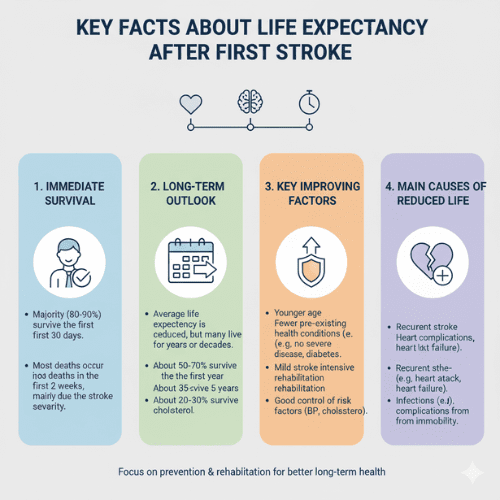
- When someone has their first ischemic stroke, approximately 49% survive for at least 5 years. This means that slightly less than half survive this period, and the rest do not survive due to complications from the stroke. Healthline, Ultimate Care NY.
- When the stroke is of the hemorrhagic type, that is, bleeding occurs in the brain, the number of people who survive for 5 years is lower, about 34–38%. Healthline, Ultimate Care NY.
- Young people (under 50 years of age) who experience a stroke have a better chance of survival. Approximately 57% live for 5 years or more. But for older adults (over 70 years of age), the survival rate is much lower, sometimes as low as only 9%. Ultimate Care NY.
- Life expectancy after a stroke is typically reduced by 5–7 years. If the stroke is caused by a brain hemorrhage (bleeding), survival may be even lower. Healthline.
- Risk of Death Over Time:
- The highest risk of death after a stroke occurs in the first year. The risk decreases slightly after the first year but remains higher than in normal individuals for several years. This means that caution is most important during the first year, and it is also important to maintain good health afterward. PMC, Saebo.
- Those who survive 30 days after a stroke have a significantly better chance of long-term survival. That is, surviving the first month is an important milestone, which increases the probability of living for more years in the future. Saebo.
What Factors Affect Survival?
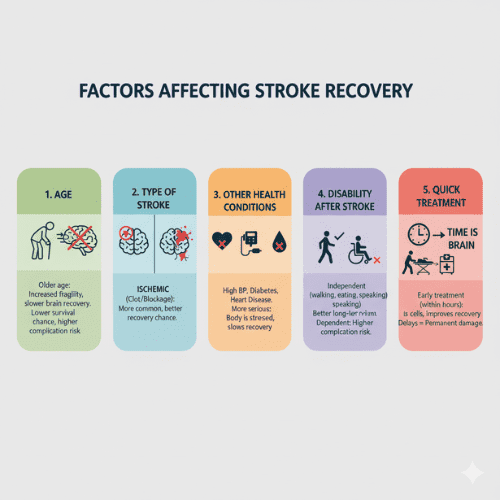
- Age: As people get older, their bodies become more fragile, and brain recovery slows. Therefore, older patients have a lower chance of surviving a stroke and a higher risk of complications.
- Type of Stroke:
Ischemic Stroke: When blood doesn’t reach the brain due to a blood clot or blockage. This is more common, and the chance of recovery is relatively better
Hemorrhagic Stroke: When bleeding occurs in the brain. This is more serious, and the chance of survival is lower because the brain damage is direct. - Other Health Conditions: If a person has high blood pressure, diabetes, or heart disease, the body is already stressed. This increases the impact of a stroke and slows recovery.
- Disability After Stroke: After a stroke, if the patient is able to perform daily life activities (such as walking, eating, and speaking) independently, long-term survival is better. If there is more dependency, the risk of complications increases.
- Quick Treatment: “Time is brain” applies to stroke. If treatment (such as dissolving the clot or stopping the bleeding) is received within the first hours of a stroke, brain cells are saved and the chance for recovery is greatly improved. Delays can lead to more permanent damage.
Recovery and Hope for Patients
- Recovery chances: Approximately 10–15% of stroke survivors fully recover. Many of the rest regain their essential functions and can continue normal daily life, with some disabilities.
- Important recovery period: The first 3–6 months are the most crucial for recovery. During this time, rehabilitation, lifestyle changes, and management of other health problems significantly improve recovery. Mayo Clinic, PMC.
Easy Tips for Stroke Survivors and Families
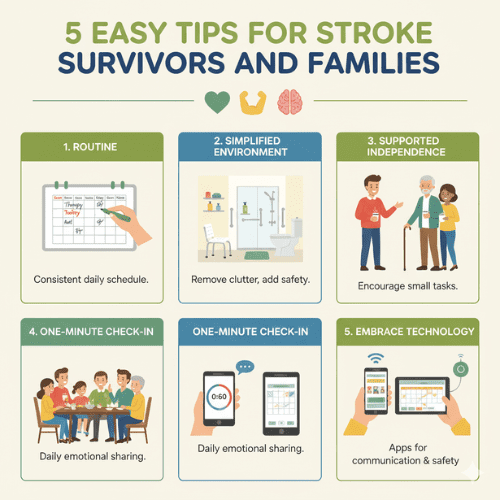
- Regular medical check-ups: It’s important to have regular health check-ups after a stroke.
- Medications and risk management: Follow your doctor’s prescribed medications and control risk factors like blood pressure, cholesterol, and diabetes.
- Physical activity and diet: Stay as active as possible and eat a balanced diet rich in fruits, vegetables, and healthy proteins.
- Support groups and rehab programs: Join support groups or rehabilitation programs for stroke survivors; these can help with recovery and provide motivation.
How long can a person live after a first stroke?
Life expectancy after a stroke varies from person to person. It depends on the severity of the stroke, how quickly treatment was received, and the patient’s age and health.
If the stroke was mild and treatment was received timely, people can live healthy lives for years. However, in severe stroke cases, complications (such as infection and brain swelling) can shorten survival time.
Does age affect recovery and life expectancy after a stroke?
Yes, age plays a big role. Older patients (especially those 65+) have a slower recovery and an increased risk of another stroke. Younger patients generally recover better because their bodies and brains repair faster. But proper rehabilitation and lifestyle control are essential for everyone, regardless of age.
Can lifestyle changes improve life expectancy after a stroke?
Absolutely. If you follow a healthy lifestyle after a stroke—such as reducing salt and oil intake, exercising, reducing stress, and avoiding smoking/alcohol—the chances of a second stroke are greatly reduced.
These habits not only increase life expectancy but also improve the quality of life.
What are the main causes of death after a first stroke?
The main causes of death after a stroke are:
• Second stroke (recurrent stroke)
• Heart attack
• Brain swelling or bleeding
• Infection (such as pneumonia)
• Bedsores and weakness after mobility loss
If these complications are treated promptly, survival rates improve significantly.
Can a person live a normal life after a first stroke?
Yes, if the stroke was mild and treatment was received early, the patient can live a nearly normal life. Recovery from rehab and therapy takes some time, but with regular physiotherapy and a healthy routine, a person can regain their independence.
Key takeaway: Life expectancy after a first stroke depends on many factors – such as the type of stroke, age, and overall health. Survival rates can sometimes seem tough, but prompt treatment, rehabilitation, and healthy lifestyle changes not only increase the chances of survival but also improve the quality of life.
“Click here to know everything about stroke.”

- Nipah Virus: A Complete Guide to Symptoms, Treatment, and Prevention (2025 Update) - March 18, 2026
- Nipah Virus Mortality Rate and Survival Chances: A Comprehensive 2025 Guide - February 9, 2026
- Warning Signs Your Body Uses to Show Health Issues - February 2, 2026