

Best Ayurvedic Approaches for Hormonal Balance explore how Ayurveda helps restore hormonal harmony naturally by addressing digestion, stress, lifestyle, and your body’s unique constitution. Whether it is a human or an animal, hormonal balance is very important for everyone’s health. In women, it does not only affect periods, but also has a negative impact on mood, energy levels, weight control, digestion, and overall well-being.
Nowadays, modern medicine mostly focuses on controlling symptoms, such as irregular periods, mood swings, or weight gain. However, Ayurveda’s approach is a bit different. It is an ancient Indian medical system that works by reaching the root cause of the problem. Modern medicine has side effects, but Ayurveda is completely safe; I believe that it is slow, but safe.
According to Ayurveda, natural remedies, proper diet, and lifestyle changes are used to fix hormonal imbalance. The most important thing is that Ayurveda keeps in mind every person’s body type or Prakriti. This means the solution that works for one woman might not necessarily be the same for another.
Best Ayurvedic Approaches for Hormonal Balance the Ayurvedic Foundation of Hormonal Health
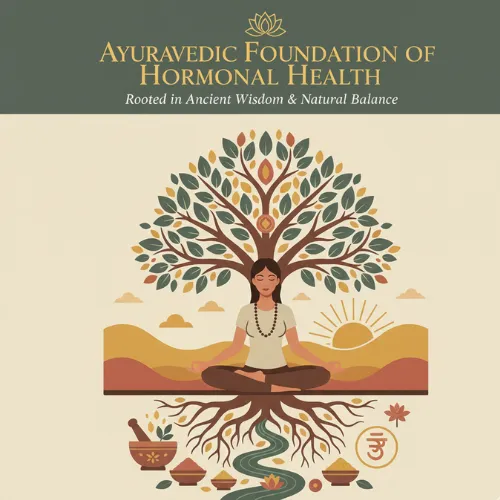
According to Ayurveda, all body functions, including the control of hormones, are performed by three basic energies called doshas: Vata, Pitta, and Kapha.
These doshas are made of five elements: earth, water, fire, air, and ether. Their combination decides how your body will digest food, handle stress, and maintain internal balance. To properly understand hormonal problems, it is very important to understand these doshas.
Vata dosha is made of air and ether. It controls the movement and communication of the body. In the context of hormones, Vata manages the flow of hormones, nerve signals, and blood circulation. When Vata becomes disturbed, which often happens due to stress, eating at the wrong time, or not taking proper rest, problems like irregular periods, anxiety, mood swings, and hormonal ups and downs begin to appear.
Pitta dosha is associated with fire and water. It is the main controller of digestion, metabolism, and hormone production. From puberty to menopause, the role of Pitta is the most significant. If Pitta becomes excessive, it can lead to heavy periods, anger, inflammation, and fast metabolism. And if Pitta decreases, digestion becomes weak and hormones cannot be formed properly.
Kapha dosha is formed by earth and water. It gives stability, strength, and nourishment to the body. For reproductive health, it is necessary for Kapha to be strong. But when Kapha increases, which often happens due to low physical activity and a heavy diet, problems like PCOS, slow metabolism, weight gain, and water retention can occur.
In Ayurveda, the first step to hormonal balance is understanding your natural body type (Prakriti) and seeing which dosha is currently in imbalance, which is called Vikriti. An experienced Ayurvedic doctor understands your health history, diet, lifestyle, and symptoms in detail to create a personalized treatment plan for you, rather than a common solution for everyone.
The Role of Agni: The Digestive Fire at the Heart of Hormone Production

Ayurveda has a very deep concept that strong digestion, which is called Agni, is most essential for hormonal balance. At first glance, the direct connection between digestion and hormones might seem a bit odd, but according to Ayurveda, the gut is the base of the hormone factory.
When Agni is strong, the body properly breaks down nutrients from food and converts them into the energy used to make hormones. This keeps reproductive health and hormone production smooth. In Ayurveda, 4 types of Agni are described, but the most important is Jatharagni, which is located in the stomach.
When Jatharagni is balanced, it is called Sama Agni. In this condition, food is digested well, nutrients are properly absorbed, and healthy Rasa Dhatu is formed, which directly nourishes the female reproductive system (Artava). But when Agni becomes weak (Mandagni), works inconsistently (Vishama Agni), or becomes too intense (Tikshnagni), food is not fully digested.
From this undigested food, Ama is formed in the body, which in simple words can be called toxins. These toxins block the body’s channels (Srotas) and create disturbances in the process of hormone production. According to Ayurvedic texts, Ama can also disturb the production of thyroid hormones, which can lead to problems like hypothyroidism.
Additionally, when digestion is poor, the balance of gut bacteria gets disrupted, which is called dysbiosis. This directly affects estrogen metabolism. This means gut health and hormonal health are deeply connected to each other—a fact that Ayurveda has believed for thousands of years. That is why, in Ayurveda, the first step of hormonal treatment is to make Agni strong.
This is done through a few simple things:
• Eating warm and freshly cooked food
• Taking meals at fixed times
• Using digestive spices like ginger, cumin, coriander, and fennel
• Eating mindfully and peacefully
• Avoiding wrong food combinations
These habits, which seem small, actually restore the body’s digestion, and when digestion is correct, the body naturally starts producing hormones. This is the real power of Ayurveda.
Herbal Remedies: Nature’s Hormonal Regulators
In Ayurveda, herbal medicines are considered very powerful for hormonal balance, and some herbs have become famous worldwide for their effectiveness. Among them, the most important is considered to be Shatavari, which is called the “queen of herbs” for the female reproductive system. Shatavari contains natural phytoestrogens, which function like estrogen in the body. It helps in naturally regulating estrogen levels, making periods regular, reducing period pain, and supporting fertility. Shatavari is even more useful during menopause because it keeps the body cool and reduces symptoms like hot flashes and night sweats.
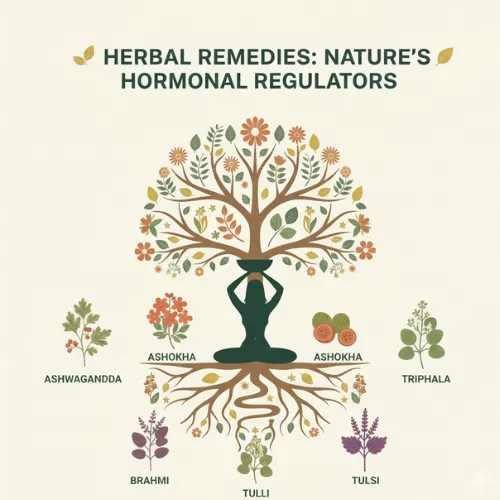
Ashwagandha is an adaptogenic herb, meaning it helps the body adapt to stress. Stress is one of the biggest enemies of hormones because stress increases cortisol and disrupts the balance of other hormones. Ashwagandha contains withanolides, which lower cortisol levels and increase the body’s stress tolerance. It calms the nervous system, improves sleep, and in this way, gives hormones a chance to come back into balance. Research has also shown that Ashwagandha reduces anxiety to a great extent.
Ashoka is traditionally used as a tonic for the uterus. This herb is considered quite effective in cases of heavy bleeding, painful periods, and irregular cycles. Ashoka gives strength to the uterus, balances hormones associated with ovulation and menstruation, and controls excessive bleeding, especially when Pitta is highly increased in the body.
Triphala is a combination of three fruits, which is very beneficial for both digestion and hormonal health. It softly cleans the digestive system, improves the absorption of nutrients, and supports the liver, which plays an important role in hormone metabolism. When digestion and elimination are correct, the body is able to properly remove extra hormones, such as excess estrogen. This reduces the risk of estrogen dominance and related problems.
Brahmi is particularly useful for mental problems related to hormones. When brain fog, lack of focus, or mood swings occur along with hormonal imbalance, Brahmi’s calming effect helps a lot. It pacifies both Vata and Pitta, which clears the mind and brings emotional stability.
Tulsi is used for both stress relief and hormonal regulation. It detoxifies the body, helps keep the skin clear, and regulates cortisol levels. Because of this, Tulsi’s role is considered quite strong in hormonal imbalances caused by stress.
Apart from these, some other herbs are also used for specific conditions. For example, Lodhra helps with the absence of periods or irregular cycles, Manjistha is used for PCOS and blood purification, Gokshura is helpful in menopause symptoms and PCOS management, and Punarnava works to control problems related to the reproductive system and hormonal weight gain. Ayurveda’s focus is to gently support the body through herbs so that hormones can naturally come into balance.
Dietary Approaches: Eating According to Your Dosha
In Ayurveda, diet is considered the most powerful tool for hormonal balance, because here food is not just food, it is also medicine. However, Ayurveda also believes that a single diet is not right for everyone. Every person’s body type is different and the reason for every problem is also different; that is why the diet is always tailored according to your dominant dosha and current imbalance. This concept is called Ahara in Ayurveda.
In people who have a Vata imbalance, irregular periods, anxiety, and restlessness are often seen. In such cases, the body needs warmth, stability, and nourishment. Warm and well-cooked food, and healthy fats like ghee, sesame oil, and coconut oil support the hormones. Warm grains like rice and wheat, cooked vegetables, and warming spices like ginger and cumin pacify Vata. Cold food, too many raw vegetables, and eating at irregular times worsen Vata further, so it is important to avoid them.

In people with a Pitta imbalance, heavy bleeding, irritability, anger, and inflammation are common. For them, the focus of the diet is to keep the body cool and calm. Coconut, mint, coriander, cooling grains like barley, and sweet fruits like mango and watermelon balance Pitta. Excessively spicy, salty, sour, and acidic food fans the fire of Pitta even more, so these should be limited. Bitter and astringent tastes found in green leafy vegetables, dals, and some herbs help in reducing excess heat.
When there is a Kapha imbalance, the metabolism slows down, weight gain occurs, and issues like PCOS start appearing. In such cases, it is necessary to make the body light and active. Light, warm, and easily digestible food, along with stimulating spices like black pepper, ginger, and turmeric, move the Kapha. Vegetables with bitter and astringent tastes help in removing extra heaviness from the body. Heavy, oily, and very sweet food increases Kapha further, so their intake should be kept low.
Apart from a dosha-based diet, there are some foods that support hormonal health for almost everyone. Fiber-rich whole grains and green leafy vegetables help the body naturally eliminate excess estrogen. Foods like flaxseeds and soy contain phytoestrogens which are helpful in hormonal balance. Ghee and healthy fats act as raw material for making hormones. Additionally, warm herbal teas, especially cumin, fennel, and coriander water, improve digestion and support hormones.
There is another important concept in Ayurveda called Ritucharya, which means eating according to the season. As the season changes, doshas also shift. If the diet is adjusted according to the season, it protects against both hormonal imbalance and seasonal diseases. Cold and hydrating food in summers, warm and nourishing food in winters, and keeping a balanced approach during seasonal transitions keeps the body stable throughout the year.
Panchakarma: Deep Detoxification for Hormonal Reset
When diet and herbs alone are not enough, Ayurveda uses a deeper level of treatment called Panchakarma. Panchakarma is not a normal wellness therapy, but a complete reset of the body, which is considered especially effective in cases of long-term and deep hormonal imbalance. Its main goal is to remove accumulated toxins from the body and make the systems capable of functioning properly again.
Virechana therapy is more useful for women whose hormones are disturbed due to Pitta imbalance. In this, the intestines and liver are gently cleaned through mild herbal medicines. Because the liver plays a very large role in processing hormones like estrogen, Virechana provides liver support and brings noticeable improvement in hormonal regulation.
Basti is considered one of the most powerful therapies of Panchakarma, especially for hormonal health. It is very effective in Vata imbalance because the main seat of Vata is the colon. Through medicated enemas, herbs reach the colon directly and work even on those tissues where the effect of oral medicines is less. In the context of women’s health, Basti nourishes reproductive tissues, helps in making periods regular, and also provides support in fertility-related problems.

Nasya therapy is given through the nose and has a direct effect on the brain and nervous system. It clears toxins from the head region, balances Vata dosha, and helps regulate stress hormones like cortisol. For women facing hormonal imbalance due to stress, Nasya is quite beneficial because it brings both mental clarity and calmness.
Therapies like Abhyanga and Shirodhara deeply relax both the body and mind. Warm herbal oil massage and continuously pouring warm oil on the forehead calms the nervous system, reduces cortisol levels, and balances the doshas. This activates the body’s natural detox process and provides the proper environment for hormones to heal.
Panchakarma should always be done under the supervision of an expert Ayurvedic doctor. Often, the spring or monsoon season is considered best for this because at this time, the body accepts cleansing well. Which therapy to do, when, and for how long depends on each person’s body type and current imbalance, which is why personalized guidance is very important.
Lifestyle Practices: Aligning Daily Routine with Natural Rhythms
In Ayurveda, the daily routine is called Dinacharya, and its main goal is to align life with the body’s natural rhythms so that hormones remain naturally in balance. Ayurveda believes that doshas naturally keep shifting during different parts of the day. Kapha dominates in the morning, Pitta is active in the afternoon, and from evening until night, Vata begins to increase. If we set our daily activities according to these natural cycles, hormonal regulation is supported without extra effort.
Waking up early in the morning, ideally around 6 AM, syncs the body with the energizing quality of Vata. Waking up at this time increases alertness and supports the body’s natural detox process. If you wake up after this window, the effect of Kapha becomes greater, which can lead to feeling heaviness, laziness, and low energy throughout the day.

After waking up in the morning, Abhyanga—that is, self-massage with warm oil—is a very powerful practice for hormonal health. Massaging the body for 10–15 minutes with sesame, brahmi, or ashwagandha oil calms the nervous system, improves blood circulation, nourishes tissues, and reduces Vata imbalance. Regular Abhyanga reduces stress to a great extent, which is a major reason for hormonal disturbance, and allows the day to start in a balanced state.
Eating food at the same time every day is very important for both digestion and hormones. Having a warm and good breakfast between 7 AM and 9 AM, keeping the biggest meal in the afternoon when Pitta is strongest, and having a light dinner before sunset keeps the Agni in balance. Eating heavy food at night makes digestion weak, creates Ama, and causes hormones to become disturbed.
Reducing screen time after sunset is very important for the hormone melatonin. The blue light from mobiles and laptops suppresses melatonin, which disturbs both the sleep cycle and hormones. If some technology-free time is kept at night, the body naturally shifts into rest mode.
A small bedtime routine before sleeping gives hormones time to recover. Simple rituals like warm milk with turmeric or a little ghee, herbal tea like chamomile or ashwagandha, or a light foot massage promote deep and restorative sleep. When the time for sleeping and waking up is the same every day, the cortisol pattern remains stable and overall hormonal harmony is maintained.
Stress Management: Pranayama, Yoga, and Meditation
Aaj ke samay mein chronic stress hormones ko bigaadne wale sabse bade kaaranon mein se ek hai. Jab stress zyada aur lamba chalta hai, toh sharir mein cortisol naam ka stress hormone lagatar badha rehta hai, aur iska seedha asar baaki hormones par padta hai. Ayurveda stress ko nazarandaz ya avoid karne ki baat nahi karta, balki nervous system ko vyavasthit (systematically) roop se shaant karke hormones ko wapas santulan mein laane par dhyan deta hai. Iske liye saans lene ki vidhiyaan (breathing), sharirik halchal (movement) aur dhyan (meditation) ka upyog kiya jata hai.
Pranayama, ya yogic breathing, seedhe parasympathetic nervous system par kaam karta hai, jo sharir ka relaxation mode hota hai. Nadi Shodhana, yani alternate nostril breathing, energy channels ko santulit karta hai aur mann ko saaf karta hai, isliye yeh hormonal mood swings mein kaafi madadgaar hota hai. Bhramari Pranayama, jisme halki humming ki jati hai, ghabrahat (anxiety) ko kam karta hai aur neend mein sudhaar lata hai. Kapalbhati oxygen ki supply ko behtar banata hai aur prajanan (fertility) se jude hormones ko sahara deta hai. Yahan tak ki roz sirf paanch minute dhyan se gehri saans lena bhi cortisol ko kam karne mein kaafi prabhavshali hota hai.

Yoga asanas bhi hormonal swasthya ke liye khaas taur par design kiye gaye hote hain, jahan komal halchal ke saath endocrine aur prajanan ango (reproductive organs) ko uttejit (stimulate) kiya jata hai. Baddha Konasana ovaries ko sakriya karti hai, pelvic area mein khoon ka bahaav sudhaarti hai aur periods ke dard ko kam karti hai. Setu Bandhasana pelvic kshetra mein circulation badhata hai aur PCOS jaise muddo ko sambhalne mein madad karta hai.
Viparita Karani, yani legs up the wall, gar bhashay (uterus) tak khoon ke bahaav ko support karti hai aur saath hi stress aur anxiety ko bhi kam karti hai. Bhujangasana prajanan ango ko stimulate karti hai aur hormonal tanaav ko door karti hai, jabki Paschimottanasana pelvic area mein circulation sudhaar kar ovarian health ko support karti hai.
Ayurveda yeh bhi saaf taur par kehta hai ki menstruation ke samay ya jab hormones pehle se hi asantulit hon, tab high-intensity ya bahut bhari exercise se bachna chahiye. Is samay halki sair (walking), restorative yoga aur light stretching sharir ke prakritik rhythm ka samman karti hai aur healing mein madad karti hai.
Meditation aur mindfulness ki practices hormones ke liye dimaag aur sharir dono staron par kaam karti hain. Roz 10–15 minute meditation karne se stress ka ehsaas kam hota hai, bhavnatmak niyantran (emotional control) behtar hota hai aur cortisol prakritik roop se kam hota hai. Tratak, mantra meditation aur saanson ke prati jagrukta jaisi practices nervous system ko gehri shanti mein le jati hain, jahan sharir naturally reset hota hai aur hormones balance hone lagte hain. Yeh takneekein sirf stress ke lakshano ko hi nahi, balki stress paida karne wale sochne ke tarikon ko bhi dheere-dheere badalti hain.
Sleep: The Foundation of Hormonal Regeneration
Sleep deeply affects the balance of hormones, but many women facing hormonal imbalance do not get good sleep. Ayurveda does not consider this problem merely as “lack of sleep,” but understands it as a result of dosha imbalance. In most cases, due to Vata and Pitta imbalance, the mind becomes overactive, thoughts do not stop, heat increases in the body, and restlessness is felt, due to which sleep is disturbed.
Ayurveda’s approach here is completely different. Instead of suppressing the symptoms of insomnia, it restores those conditions under which sleep comes naturally. When Vata is calmed and the excess heat of Pitta is cooled down, the body itself shifts into sleep mode. Therefore, in Ayurveda, instead of controlling sleep, the focus is on bringing the body and mind into balance, which makes deep and natural sleep possible.ayurhealing+2

Good quality sleep gives the body that time in which growth hormone is released, the natural pattern of cortisol is set, estrogen and progesterone are balanced, and the endocrine system is repaired. When sleep is poor, almost every hormonal problem worsens further, whereas deep and proper sleep gradually brings the hormones back toward balance.
According to Ayurveda, sleep should be treated not just as a habit but as a practice. When the time for sleeping, the environment, and the routine are set according to Ayurvedic principles, the quality of sleep naturally improves. And as sleep gets better, hormonal health also begins to become strong. ayurhealing
“click here for Understanding Hormonal Changes and Natural Balance Steps”
How does Ayurveda view hormonal imbalance differently from modern medicine?
Ayurveda does not consider hormonal imbalance as just a symptom-based problem. It understands it as a result of overall body imbalance, such as dosha disturbance, weak digestion, and lifestyle issues. Therefore, the focus is on the root cause, rather than just suppressing the symptoms.
How long does it take to see results with Ayurvedic treatment for hormonal balance?
Ayurveda is not a quick fix. Generally, improvement starts to be felt in 4–8 weeks, but it takes time for proper balance. This depends on your body type, the severity of the imbalance, and consistency.
Can Ayurveda help with conditions like PCOS, irregular periods, or menopause symptoms?
Yes, Ayurveda can be quite effective in PCOS, irregular periods, and menopause symptoms. Through herbs, diet, lifestyle, and stress management, hormones are regulated naturally, without putting an extra load on the body.
Is it safe to take Ayurvedic herbs for hormonal balance long-term?
If herbs are being taken under proper guidance, they are generally safe. Self-medication should be avoided, because every herb does not work the same way for every body.
Do I need to follow strict diet and routine for Ayurveda to work?
Not strict, but being consistent is essential. Small changes such as eating at the right time, getting good sleep, controlling stress, and following a dosha-based diet significantly improve the results of Ayurveda.
Conclusion: The Integrative Path to Hormonal Wellness
Hormonal balance or any other problem cannot be achieved as an instant or quick fix through Ayurveda; rather, it is a long-term, personalized journey that heals the body from within. The base of this approach is understanding your Prakriti, or natural body constitution, because until this is clear, treatment in the right direction is not possible. Ayurveda believes that every body is different and hormones are balanced only when the treatment works with the body’s nature, not against it. There are no side effects in Ayurvedic treatment, which is the greatest matter of relief. You should try Ayurvedic treatment; it fights many of your diseases at the same time and makes your immune system strong.

- Nipah Virus: A Complete Guide to Symptoms, Treatment, and Prevention (2025 Update) - March 18, 2026
- Nipah Virus Mortality Rate and Survival Chances: A Comprehensive 2025 Guide - February 9, 2026
- Warning Signs Your Body Uses to Show Health Issues - February 2, 2026