
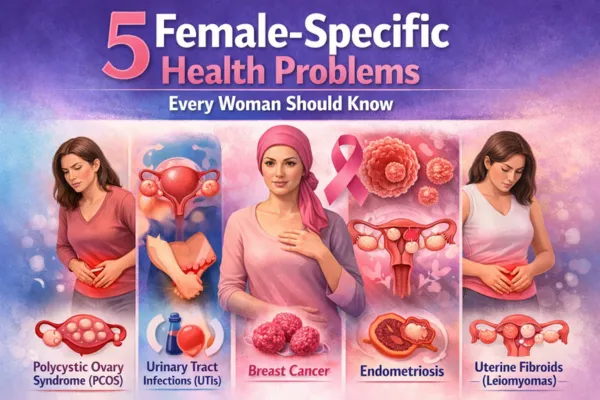
Female-Specific Health Problems either occur only in women or affect women more than men. Understanding these problems is very important because early detection makes treatment easier and helps maintain a better quality of life.
These problems mainly happen due to three reasons:
• Women have a different reproductive system
• Hormones keep changing at different stages of life
• Some diseases are genetic and create a higher risk in women
Table of Contents
5 Female-Specific Health Problems
In this guide, we will discuss five major health conditions that mostly affect women.
We will also understand:
• How women can protect and take care of their health
• Why these problems occur
• What the symptoms look like
1. Polycystic Ovary Syndrome (PCOS): The Most Common Endocrine Disorder in Women
1st Female-Specific Health Problem is PCOS (Polycystic Ovary Syndrome). It is the most common hormonal problem in women, mostly occurring during the reproductive years.
Globally, approximately 6–13% of women are affected by PCOS. This percentage can vary slightly depending on ethnicity and lifestyle. PCOS is not just a minor problem.
This is a complex disorder in which multiple things get disturbed at the same time:
• The reproductive system is impacted
• Hormonal balance is disrupted
• Metabolism is affected (body weight regulation and how the body uses sugar)
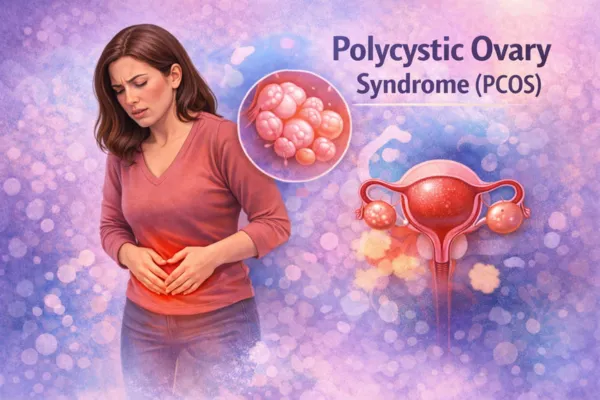
In this problem, multiple organs of the body are affected simultaneously, hence PCOS is considered a serious health challenge for women. If not taken care of in time, it can lead to period problems, weight gain, fertility issues and even increase the risk of diabetes in the future. wikipedia+2
What Causes PCOS?
PCOS occurs when the ovaries start producing more male hormones (androgens) than normal. Due to these hormones, eggs do not develop properly and ovulation, i.e. the release of an egg, gets disturbed or does not happen at all. This results in irregular periods and pregnancy problems.
The exact cause of PCOS is not yet clear, but doctors believe that genetic factors and insulin resistance are the main reasons. If a woman in the family has PCOS, the chances increase. Also, in most women with PCOS, the body is unable to use insulin properly, due to which insulin levels increase. High insulin pushes the ovaries to make more male hormones, and this chain reaction causes PCOS to develop and worsen. ncbi.nlm.nih+1
Symptoms and Complications
Women with PCOS have to deal with different types of symptoms. The most common problems include irregular periods or periods stopping completely, difficulty in getting pregnant, excessive hair growth on the face or body (hirsutism), acne, male-pattern hair loss, weight gain, and oily or acne-prone skin. These symptoms are visible externally, which is why they are noticed more easily.
However, the impact of PCOS is not limited to these visible signs. Internally, it can seriously affect metabolism and heart health. Women with PCOS have nearly double the risk of stroke and coronary heart disease compared to women of the same BMI who do not have PCOS.
This condition also significantly increases the risk of type 2 diabetes. Women with PCOS are 3 to 7 times more likely to develop metabolic disorders. Along with this, the risk of high blood pressure, high cholesterol, and metabolic syndrome also increases.
Another serious concern is endometrial cancer. Women with PCOS have about a threefold higher risk, mainly because irregular periods and high insulin levels cause abnormal growth of the uterine lining.
Along with physical problems, PCOS also has a deep impact on mental health. Strong links have been observed between PCOS and depression, anxiety, low self-confidence, poor quality of life, and eating disorders. This is why PCOS is not just a problem of periods or weight, but a condition that affects both the body and the mind.
Management and Treatment
The most effective and first-line treatment for PCOS is lifestyle modification. Even a 5% reduction in body weight can help the ovaries function better and increase the chances of regular periods. That’s why doctors usually recommend regular exercise, a balanced diet, and healthy daily habits to improve metabolism.
To regulate periods, reduce excessive hair growth, and control acne, hormonal contraceptives are commonly used. For women who are planning pregnancy, medicines like letrozole help trigger ovulation. Metformin, which is usually a diabetes medication, improves insulin sensitivity in PCOS and helps control metabolic problems.
Regular monitoring of heart health, blood sugar levels, and diabetes-related complications is very important for all women with PCOS, so that serious problems can be prevented in the future. wikipedia+1
2. Urinary Tract Infections (UTIs): Why Women Bear the Disproportionate Burden
Second Female-Specific Health Problem is UTIs (Urinary Tract Infections). It much more often than men, mainly because of differences in body anatomy. UTIs can occur in both genders, but the structure of the female urinary tract makes women more vulnerable to infection.
Because of this, prevention and early treatment of UTIs are especially important for women. If not addressed on time, even a minor infection can develop into a serious health problem later on. vpfw+1
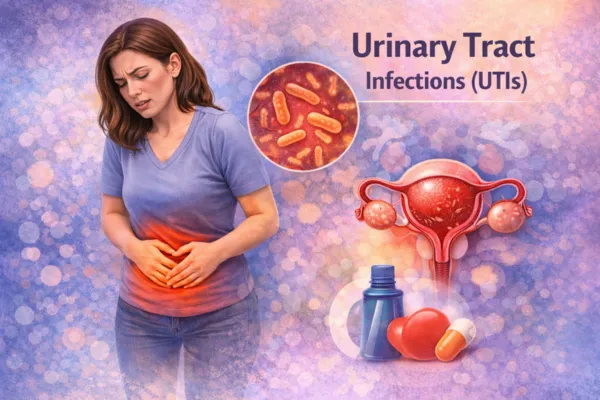
Why Women Get UTIs More Often
The biggest reason women get UTIs is their body anatomy. The female urethra is only about 1.5 inches long, so bacteria do not have to travel far to reach the bladder. On top of that, the urethral opening is located very close to the rectum, where bacteria like E. coli naturally live and can easily enter the urinary tract.
E. coli is responsible for more than half of all bladder infections. During sexual activity, bacteria from the vaginal or anal area can also enter the urethra. If spermicides are used, they can disturb the vagina’s natural protective bacteria, which further increases the risk of infection.
After menopause, the risk of UTIs increases even more because estrogen levels drop. This makes the vaginal tissue thinner and drier, weakening natural defenses. During pregnancy, the chances of UTIs also rise due to hormonal changes and because the growing uterus can slow down urine flow. When urine does not flow properly, bacteria get more time to grow.
Symptoms and When to Seek Treatment
Common symptoms of a UTI include a burning or painful sensation while urinating, frequent and sudden urges to pass urine, cloudy urine or urine mixed with blood, and pain or pressure in the lower abdomen or pelvic area. A simple UTI usually responds easily to antibiotics and is not very dangerous.
However, if a UTI is not treated on time, the infection can spread upward to the kidneys, a condition known as pyelonephritis. This is a serious condition and often requires hospitalization. That’s why, as soon as UTI symptoms appear, it’s important not to delay and to contact a doctor immediately so tests and treatment can be started on time. Pregnant women should be extra cautious, as an untreated UTI can pose risks to both the mother and the baby.
Prevention Strategies
In the case of UTIs, prevention is easier than treatment. By following a few simple and proven habits, the risk of UTIs can be reduced significantly. Drinking an adequate amount of water daily is very important because it dilutes the urine and helps empty the bladder regularly, flushing bacteria out of the urinary tract.
Urinating after sexual intercourse is a good habit, as it helps remove bacteria that may have entered the urethra. After using the toilet, it’s important to wipe from front to back, so bacteria from the anal area do not reach the urinary tract.
To reduce the risk of UTIs, it’s better to avoid products like douches, spermicides, and diaphragms, as they disturb the vagina’s natural protective bacteria. During menopause, if a doctor recommends it, estrogen creams or therapy can help maintain vaginal health and lower the risk of UTIs.
3. Breast Cancer: The Most Common Cancer in Women Worldwide
Our third Female-Specific Health Problem is Breast cancer. It is the most common cancer among women worldwide. Every year, around 2.3 million new cases are diagnosed. Compared to men, women are about 100 times more likely to develop breast cancer. Yes, men can also get breast cancer, but the vast majority of cases are seen in women.
Because of this, awareness, early detection, and prevention of breast cancer are extremely important for women. When it is detected early, treatment outcomes are much better. nationalbreastcancer+1
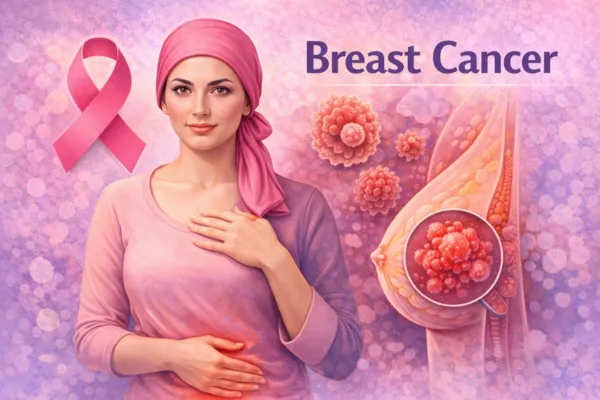
Risk Factors: Modifiable and Non-Modifiable
Some breast cancer risk factors cannot be changed. The first and most important factor is being female. As age increases, the risk also rises. Nearly two-thirds of women diagnosed with invasive breast cancer are older than 55 years. If there is a family history of breast or ovarian cancer, or if a woman has genetic mutations such as BRCA1, BRCA2, or PALB2, the risk becomes even higher. Certain reproductive factors also fall into this category.
A woman’s reproductive history is closely linked to breast cancer risk. Women who started periods before the age of 12, entered menopause after 55, had their first child at a later age, or never became pregnant have a slightly higher risk. This happens because breast tissue remains sensitive to cancer-causing changes for a longer time during the reproductive years.
There are also risk factors that can be controlled. These include obesity, excessive alcohol consumption, smoking, hormone replacement therapy, lack of physical activity, vitamin deficiencies, and excessive exposure to artificial light. One important point to note is that nearly half of all breast cancer cases occur in women who have no clear risk factors other than being female and over 40 years of age. This means every woman carries some risk of breast cancer, whether or not obvious risk factors are present.
Genetic Screening and Prevention
Women who have a strong family history, such as close relatives with breast or ovarian cancer, should consider genetic counseling. This helps determine whether they carry genetic mutations like BRCA1, BRCA2, or PALB2.
If these mutations are found, women have several options to reduce their risk. These include regular surveillance programs with frequent check-ups and screenings, chemoprevention medications that can lower cancer risk, and in some cases preventive surgery, where breast tissue is surgically removed in advance to significantly reduce the chance of developing cancer in the future. who+1
Early Detection and Treatment
Early detection in breast cancer is life-saving. When cancer is caught at an early stage, survival chances are much higher. That’s why women should perform regular breast self-examinations and pay close attention to any changes in breast shape, size, skin, or sensation.
Along with this, it is very important to follow age-appropriate screening guidelines. Clinical breast examinations by a doctor and mammography screenings help detect cancer in its early stages. For women at high risk, additional tests such as ultrasound or MRI may be done along with mammography, so cancer can be identified at an early and more easily treatable stage.
4. Endometriosis: The Debilitating Pelvic Pain Condition
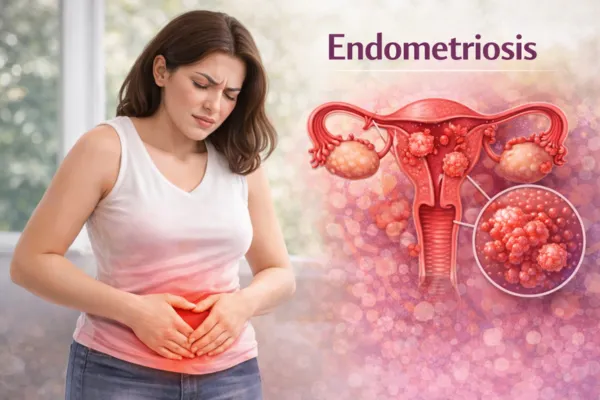
Our fourth Female-Specific Health Problem is Endometriosis. It is a chronic gynecological problem that mostly affects women of reproductive age. This condition is long-term and significantly disrupts the daily life and quality of life of many women. What happens in this condition is that tissue similar to the lining of the uterus (endometrium) begins to grow outside the uterus. This tissue is often found in the ovaries, fallopian tubes, and pelvic area. Because this tissue grows in the wrong place, pain, inflammation, and other complications can develop. ncbi.nlm.nih+1
How Endometriosis Develops and Impacts Women
In endometriosis, endometrium-like tissue grows outside the uterus, and it reacts just like the normal uterine lining during periods. This means that with every menstrual cycle, the tissue thickens, breaks down, and bleeds. The problem is that this blood cannot exit the body because the tissue is located outside the uterus.
As a result, inflammation and scar tissue begin to form, which causes severe pain, especially during periods. This inflammation can damage both eggs and sperm, block the fallopian tubes, and stop the normal movement of the egg. Because of this, about 30–40% of women with endometriosis may face problems with infertility.
Symptoms to Recognize
Classic endThe classic symptoms of endometriosis most commonly include severe period pain, which can worsen over time. This is often accompanied by heavy menstrual bleeding. Many women experience pain during sexual intercourse, and pelvic pain is not limited to periods but may be felt throughout the month.
In some cases, pain during bowel movements or difficulty getting pregnant without any clear reason (infertility) can also be symptoms. Many women report that the pain becomes so severe that it interferes with work, studies, and maintaining a social life. This is why endometriosis is not just about “painful periods,” but can be a debilitating condition that affects daily life.
Treatment Approaches
As of now, there is no permanent cure for endometriosis, but the symptoms can be controlled and the progression of the disease can be slowed. For pain relief, NSAIDs such as ibuprofen are commonly prescribed. They help reduce pain, although their effectiveness can vary from one woman to another. Hormonal contraceptives like birth control pills, patches, injections, or vaginal rings help keep hormone levels stable. This slows the growth of endometrial tissue and helps control pain.
In some cases, GnRH medications are used. These temporarily stop periods and significantly lower estrogen levels, causing endometrial implants to shrink. This treatment creates an artificial menopause-like state, so low-dose estrogen or progestin may be given alongside to reduce side effects such as hot flashes.
If medications do not provide enough relief, surgery may be recommended to remove endometrial tissue and scar tissue. Surgery can reduce pain, but symptoms can return in about 40–50% of women within five years. One important point is that after menopause, endometriosis symptoms often improve significantly or may resolve on their own.
5. Uterine Fibroids (Leiomyomas): Common Benign Growths with Significant Impact
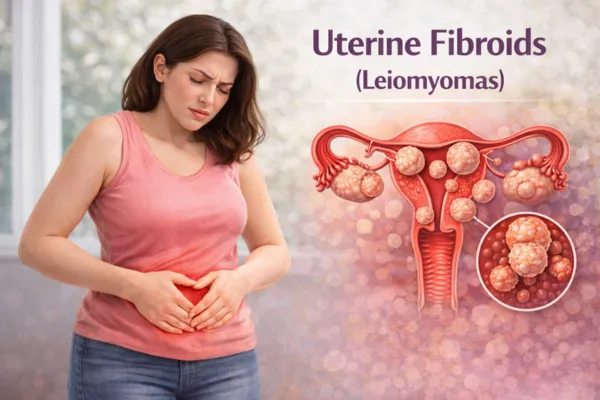
Our blog last Female-Specific Health Problem is Uterine fibroids. They are the most common pelvic tumors in women. They are more common in older women and women of African descent. Fibroids are benign, meaning they are not cancerous.
These muscle growths develop inside or outside the uterus and affect many women of reproductive age. Fibroids don’t always cause problems, but in some women they can cause pain, heavy periods, or fertility issues. aafp+1
Symptoms and Complications
Many women have fibroids without any symptoms, so they may not even know the fibroids are present. However, when symptoms do appear, they can significantly disrupt daily life. The most common problem is very heavy menstrual bleeding. Other symptoms may include painful periods, long-lasting or frequent periods, pressure or pain in the pelvic area, frequent urination or difficulty passing urine, constipation, a bloated or enlarged abdomen, lower back or lower abdominal pain, and pain during sexual intercourse.
Heavy bleeding caused by fibroids can eventually lead to iron deficiency anemia, which results in fatigue and weakness. If fibroids are large, multiple, or located in certain areas, they can put pressure on nearby organs. This may cause urinary problems, bowel issues, and in some cases fertility-related problems as well.
Diagnosis and Management
The first and most common test to diagnose fibroids is an ultrasound. In many cases, fibroids shrink on their own after menopause because estrogen levels decrease. That’s why women who have no symptoms are often advised watchful waiting, which means regular monitoring without active treatment.
For women who do have symptoms, medications are usually tried first. Hormonal contraceptives help reduce heavy bleeding, tranexamic acid is used to control bleeding, and NSAIDs are used for pain relief. GnRH medications temporarily lower estrogen levels, which causes fibroids to shrink and reduces bleeding. This option is especially useful for women who want relief before surgery or who are close to menopause.
If medications do not provide enough benefit, surgical options are available. Myomectomy removes only the fibroids while preserving the uterus, which is important for women who plan future pregnancies. Hysterectomy involves removal of the uterus. There are also less invasive procedures such as uterine artery embolization and MRI-guided focused ultrasound. The best treatment depends on the size and number of fibroids, severity of symptoms, a woman’s age, fertility plans, and the medical facilities available.
Additional Women-Specific Health Conditions
Apart from these five major conditions, women also face a higher burden of many other health problems. Cervical cancer is a major example. It can be largely prevented through HPV vaccination and regular screening, yet it remains a serious health issue in many parts of the world where screening facilities are limited.
Osteoporosis also affects women more than men, especially after menopause. Nearly 80% of osteoporosis cases occur in women. During menopause, estrogen levels drop suddenly, which causes bones to weaken rapidly. On top of that, women naturally have lower bone density than men, increasing the risk of fractures.
Similarly, the burden of autoimmune diseases is much higher in women. There are more than 80 types of autoimmune conditions, and about 75% of patients are women. Diseases such as lupus, rheumatoid arthritis, celiac disease, type 1 diabetes, and multiple sclerosis are more common in women. Experts believe hormones play a key role here: testosterone offers some protection to the immune system, while estrogen influences immune responses, which may make women more prone to developing autoimmune reactions.
DECLARATION
In this blog, we have discussed five major women-specific health issues. What I have observed is that nowadays these problems are becoming more and more common. Take UTIs, PCOD, or breast cancer for example, and many others as well. You see, before doctors or medical institutions, you yourself have to take care of your health first.
“The following is a real-life experience shared to highlight the importance of self-awareness.”
Some time ago, I met a woman who had breast cancer. I asked her which stage it was, and with a smile she said, “Stage 1.” I told her it was very good that it was detected early and asked how she managed to do that. Her answer can be a lesson for you as well.
She said that while bathing, she felt a slight abnormal lump in her breast. At first, she thought it was nothing serious, but when she felt it continuously for a week, she decided to get an ultrasound done. Cancer was detected in the ultrasound, and to confirm it, she got a biopsy done.
That woman noticed just one lump, chose to get an ultrasound, and caught a life-threatening disease before it could actually become deadly. You can do the same too.
Stay alert, stay safe.
“Effective treatment of any disease is possible only when it is detected in time; here are some tools that can help you stay aware and prove truly useful in your daily life.”

- Nipah Virus: A Complete Guide to Symptoms, Treatment, and Prevention (2025 Update) - March 18, 2026
- Nipah Virus Mortality Rate and Survival Chances: A Comprehensive 2025 Guide - February 9, 2026
- Warning Signs Your Body Uses to Show Health Issues - February 2, 2026