
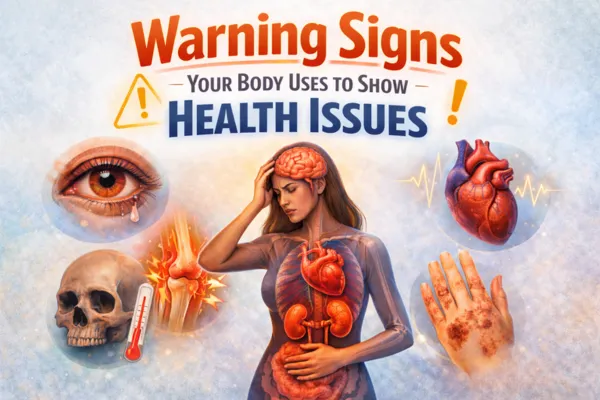
Warning Signs Your Body Uses to Show Health Issues explained simply. Learn early symptoms, what they mean, and when to act to protect your health. What do you think, if you have an illness, who will tell you first? This question might be confusing you a bit; you might be thinking what kind of question is this. You might also have an answer; you are probably thinking that a doctor will tell, or perhaps you have some other answer.
Come, let’s know the right answer. In my opinion, the one who is suffering tells first, meaning your body; first of all, your body itself tells you that something is not right, something is wrong somewhere. The body does tell, whether you understand it or not.
Understanding Warning Signs Your Body Uses: The Language of Health
Before understanding any specific warning signs, it is important to know how the body communicates health problems. Often, the body does not suddenly make a big announcement that an illness has occurred. In most cases, the body sends signals gradually, which become clearer over time. The main rule for maintaining good health is that you understand these signals correctly and recognize which symptom requires seeing a doctor immediately and which one should be checked in a normal appointment.
According to health experts, how long symptoms last, how severe they are, and what kind of pattern they follow is very important. If any symptom lasts for more than 2 weeks, it should not be ignored. There is a lot of difference between a mild, recurring discomfort and a sudden, sharp pain that disturbs daily life. And when several symptoms start appearing together, meaning multiple problems are felt at the same time, it is a strong signal that there might be an issue inside the body worth investigating.gaurnishhealth
Critical Cardiovascular and Respiratory Signals: When to Seek Emergency Care
Chest Pain or Discomfort
Chest pain is a very serious warning sign that should never be ignored. It can be a signal of a heart attack, angina, or some serious lung problem. This pain can feel like pressure, tightness, burning, or heaviness in the middle of the chest. The situation becomes even more dangerous when this pain starts spreading to the arms, jaw, neck, or upper back, or is accompanied by symptoms like sweating, shortness of breath, nausea, or dizziness.
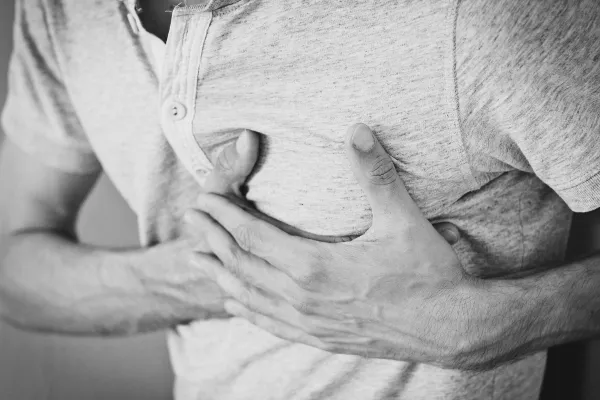
It is also true that every chest pain is not a heart problem. Sometimes such pain can also occur due to acidity, lung disease, or muscle problems. But the risk is so high that unexplained chest pain is always considered an emergency. If you experience such pain, seek immediate emergency medical help or go to the nearest emergency room. In this case, time is very important, because the first few hours after a heart attack are the most critical for treatment.
Shortness of Breath
Dyspnea, meaning shortness of breath, should not be ignored by simply saying “fitness is low.” Shortness of breath can be normal after exercise or going to the mountains, but if you start getting out of breath after doing a little work or even while resting, it can be a signal of a serious problem. This can happen because of asthma, pneumonia, COPD, anemia, heart disease, or a clot in the lungs (pulmonary embolism).
The most dangerous situation is pulmonary edema, in which water fills up inside the lungs and breathing becomes very difficult. This is a medical emergency and it is necessary to go to the hospital immediately. If shortness of breath occurs along with chest pain, irregular heartbeat, or difficulty in lying down, then emergency medical help should be taken without delay.
Heart Palpitations and Irregular Heartbeat
Palpitations, meaning the heart beating fast, thumping loudly, or feeling a flutter, should not be taken lightly. Sometimes this can happen due to anxiety or too much caffeine, but if it happens repeatedly or without a clear reason, it can be a sign of arrhythmia, thyroid problem, heart disease, or an imbalance of salts in the body. If palpitations are accompanied by chest pain, shortness of breath, fainting, or excessive dizziness, do not delay at all. In this situation, taking immediate emergency medical help is very important.
Neurological Red Flags: Headaches, Vision Changes, and Stroke Symptoms
Severe or Persistent Headaches
Having a headache sometimes is normal, but some types of headaches are serious warning signs. If a very sharp headache occurs suddenly, which feels like the “worst pain of your life,” it can be a signal of bleeding in the brain (subarachnoid hemorrhage). Such a headache comes without warning and can be accompanied by a stiff neck, fever, vomiting, or problems with light.

Apart from this, if the headache is new or gradually increasing, and is accompanied by vision problems, weakness, numbness, or confusion, it can be a sign of high BP or a neurological issue. A headache that lasts repeatedly or continuously for weeks should not be ignored and it is necessary to see a doctor.
Vision Changes and Flashing Lights
A sudden change in the eyes’ vision is an important warning sign. Flashing lights in front of the eyes, seeing more floaters, loss of vision in one eye or from the side, seeing double, or blurry vision can be a signal of a retina problem, stroke, migraine with aura, or some serious neurological issue. Especially when many new floaters start appearing suddenly along with light flashes, it can be a sign of a retina tear or retinal detachment. In this situation, delay can be dangerous, which is why it is necessary to see an eye specialist immediately, so that permanent vision loss can be prevented.
Stroke Symptoms: Act FAST
A stroke is a medical emergency in which every minute is very important, because brain cells start damaging rapidly when they do not get oxygen. To recognize the symptoms of a stroke, the FAST rule is used: drooping of one side of the Face, weakness in the Arm, problem in Speech, and calling for an emergency immediately on Time.
Apart from this, sudden numbness in one side of the body, loss of balance, dizziness, or difficulty in walking can also be signs of a stroke. An important point is that stroke symptoms mostly appear on only one side of the body, which distinguishes it from issues like anxiety where both sides are affected. If any symptom of a stroke is seen, do not delay at all. Call emergency services immediately, because the first 4.5 hours are the most critical for treatment.
Abdominal and Digestive Warning Signs

Severe or Persistent Abdominal Pain
Sharp, stabbing, or continuous pain in the stomach should not be ignored by considering it just indigestion. If very severe abdominal pain starts suddenly, it can be a sign of appendicitis, a rupture of the gallbladder or pancreas, a kidney stone, or some other serious, life-threatening problem. If the pain is so much that walking becomes difficult, or is accompanied by fever, vomiting, or bleeding, then taking immediate emergency medical help is necessary. Delaying here can be risky.franciscanhealth+2
Changes in Bowel and Digestive Habits
If bowel habits change without any clear reason, it can be an important signal from the body. Continuous diarrhea or constipation for several weeks, blood in the stool (red or black and sticky), severe heartburn even after taking medicines, or a sudden change in the color and consistency of the stool, all these can be signs of serious digestive issues, such as infection, IBD, or sometimes even cancer. When these problems occur along with weight loss, fatigue, or stomach pain, the risk increases further. In such a situation, one should not delay and it is necessary to see a doctor quickly.
Metabolic and Systemic Warning Signals
Unexplained Weight Loss
If weight starts decreasing without any change in diet or exercise, it can be a serious warning sign from the body. An unexplained loss of more than 5% of body weight within 6–12 months can be a signal of an overactive thyroid, diabetes, depression, liver problems, cancer, or diseases where nutrients are not absorbed. This becomes even more concerning when weight loss is accompanied by fatigue, loss of appetite, excessive night sweats, or fever. These symptoms together can point towards a serious disease, which is why it is necessary to see a doctor.

Persistent Fatigue and Weakness
If continuous fatigue persists even after proper rest, it should not be ignored by considering it just poor sleep. Chronic fatigue can be due to anemia, thyroid problems, vitamin deficiencies (especially B12 and iron), diabetes, heart disease, depression, or chronic infection. When fatigue is accompanied by unexplained weight loss, shortness of breath, or paleness of the skin, the situation becomes even more serious. In such cases, it is necessary to get a medical checkup done quickly.stepcare+1
Fever That Lasts Too Long
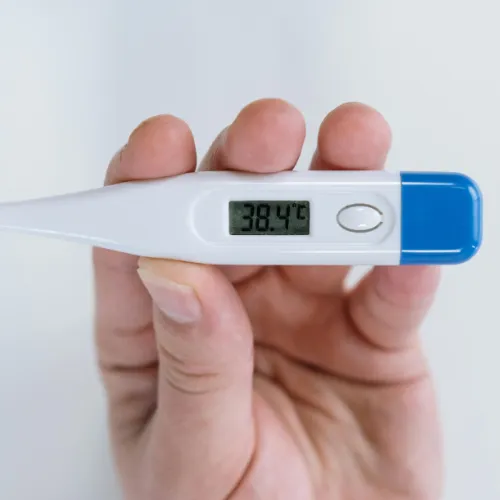
Having a mild fever is often a sign of the body fighting an infection, but a fever that lasts for many days or is very high can be serious. If the fever lasts for more than 3 days or reaches 103°F or above, it can be a signal of a serious infection or an underlying problem. And when fever is accompanied by difficulty in breathing, a sharp headache, chest pain, or confusion, there should be no delay at all. In this situation, taking immediate medical care is very important.mainstreetclinics+2
“10 Best Medical Equipment for Home Use”
Skin, Hair, and Nail Indicators of Internal Health
Nail Changes and What They Reveal
Nails are not just cosmetic things; they tell a lot about nutrition and overall health. Seeing white spots on the nails can be a sign of zinc deficiency, especially when accompanied by digestion problems. Spoon-shaped nails often point toward iron deficiency anemia, because it is through iron that oxygen reaches the nails. If the color of the nails turns dark brown or blue-black, it can be a signal of vitamin B12 deficiency. Brittle or peeling nails show a lack of protein or iron, and horizontal lines on the nails (Beau’s lines) mean that nail growth had stopped for some time due to some illness or zinc deficiency.
Skin Changes and Moles
A new mole appearing on the skin or a change in an old mole should not be ignored, and it is necessary to show it to a dermatologist. To recognize suspicious moles, the ABCDE rule is used: the shape being uneven, borders being irregular, the color changing, the size being larger than 6 mm, and changing over time. Apart from this, if any wound or sore does not heal for 3 months, it can be a sign of infection, diabetes, or skin cancer. Sudden rashes, unexplained itching, yellowing of the skin (jaundice), or changes in the texture and look of the skin are also important warning signs that should be shown to a doctor.

Eye and Hair Changes
The white part of the eyes turning yellow (yellow eyes) is a clear sign of jaundice. This happens due to serious problems related to the liver, gallbladder, pancreas, or blood, when bilirubin increases in the body and the liver is unable to process it properly. Along with jaundice, there is often fatigue, weakness, loss of appetite, feeling nauseous, and discomfort in the stomach. Similarly, premature graying of hair and hair becoming dry and brittle can be a signal of nutritional deficiency, thyroid issues, or vitamin B12 deficiency. Such signs should not be ignored and getting a checkup is the right thing to do.
Tongue and Oral Signs of Systemic Disease
The tongue is an important indicator of the body and its color and look tell a lot about health. A bright red tongue can be a sign of infection, vitamin deficiency, anxiety, or sleep problems. A pale tongue often shows a deficiency of iron or B-vitamins. If the tongue appears to have a blue tint, it can be a signal of low oxygen circulation, which points toward lung or kidney problems.
A yellow tongue can be caused by smoking, poor oral hygiene, jaundice, or psoriasis, while a purple tongue can be a sign of heart problems and weak blood circulation. Strawberry tongue (red with small bumps) can be related to vitamin B deficiency, scarlet fever, or Kawasaki disease. Apart from this, if a strange coating, non-healing sores, or a change in taste occurs on the tongue, it is necessary to see a doctor.
Swelling and Fluid Retention: Edema as a Warning Sign
General Swelling (Edema)
Sudden swelling or puffiness in any part of the body, especially on the feet, ankles, legs, hands, or face, can be a sign of fluid accumulating in the body. Pitting edema, in which a pit remains after pressing the skin, is considered more concerning. If swelling is occurring without any clear reason like an injury or sitting for a long time, then it should not be ignored. In such a situation, it is necessary to get a medical checkup done.
Specific Swelling Patterns and Their Meanings
Swelling in the feet or ankles can sometimes be a sign of DVT (blood clot), which can reach the lungs and cause a pulmonary embolism. In DVT, there is often sudden swelling and calf pain on only one side. Swelling of the face can be a signal of an allergy, kidney problem, or thyroid issue. Bloating or swelling of the stomach can be related to liver disease, heart failure, kidney problems, or digestive issues. The main point is that any unexplained swelling should not be ignored. If treatment is not received on time, it can lead to problems like skin infections, difficulty in wound healing, reduced blood circulation, and skin ulcers.
Urinary and Reproductive Warning Signs
Changes in Urination
If the frequency of urination or the look of urine changes suddenly, it is an important signal from the body. Frequent urination, especially when accompanied by excessive thirst and unexplained weight loss, can be a sign of diabetes. A burning sensation or pain while urinating can be a signal of a UTI, STD, or sometimes a bladder problem. Blood in the urine is a serious red flag that should never be ignored. It can be a sign of kidney stones, a serious infection, or even bladder or kidney cancer. Even if blood is seen only once, it is necessary to see a urologist immediately.
Mental and Cognitive Warning Signals
Cognitive Changes and Memory Loss
If memory starts weakening, and difficulty focusing, confusion, or changes in personality appear without any clear reason, it is not just a part of aging. Such cognitive changes can be a signal of dementia, vitamin deficiency (especially B12), thyroid problems, stroke, or some neurological issue. Mild forgetfulness can be normal with age, but when there is a noticeable change in the ability to think and understand, getting a medical evaluation is necessary.

Mood and Mental Health Changes
If a persistent low mood, anxiety, excessive irritability, or a change in personality occurs without a clear reason, it is not just a mental issue. Many times, it can also be a sign of a thyroid problem, vitamin deficiencies, hormonal imbalance, or some serious physical disease. When mental health changes are accompanied by other physical symptoms, the situation should not be taken lightly. In such cases, it is necessary to get a proper medical evaluation so that the root cause can be understood.hackensackmeridianhealth+1
Pain Patterns That Demand Attention
Unexplained Body Pain
If there is continuous pain in the joints, muscles, or any other part of the body without any injury, it is not normal. This can be a sign of arthritis, nerve problems, fibromyalgia, or sometimes even cancer. And when there is pain in many parts of the body on both sides along with fatigue, it points toward a serious condition. In such a situation, it is necessary to get a proper medical checkup done.mayoclinic+1

Specific Types of Concerning Pain
If there is pain or numbness in the jaw, especially on one side of the face, it can be a sign of a stroke or TIA (Transient Ischemic Attack), and an immediate emergency check is necessary. Similarly, sudden and very severe back pain can point toward a kidney stone or an abdominal aortic aneurysm, both of which are serious conditions. Pain in the leg accompanied by swelling can be a signal of DVT (blood clot), which is dangerous. In all three situations, there should be no delay at all, and medical help should be sought immediately.peppy+1
Immune and Infection-Related Signals
Frequent Illness and Slow Wound Healing
If you are falling sick more often than before, or if it is taking a long time for a small cut or injury to heal, it is possible that your immune system is weak. This can be a signal of diabetes, nutritional deficiency, HIV infection, or some other immune disorder. Recurring infections also point towards vitamin deficiency or some chronic disease. Such a condition should not be ignored, and it is necessary to get proper medical tests done.
If you’re getting sick more frequently than usual or if minor cuts and scrapes are taking unusually long to heal, your immune system may be compromised. This pattern can indicate diabetes, nutritional deficiencies, HIV infection, or other immune system disorders. Additionally, frequent infections may signal vitamin deficiency or chronic disease requiring treatment.stepcare
Signs of Serious Infection
Sepsis is a very serious and life-threatening condition in which the body starts overreacting to an infection. Its common signs include extreme pain, rapid heartbeat, high fever or chills, difficulty breathing, confusion, and clammy, cold skin. Sepsis worsens very rapidly, so wasting time is dangerous. If such symptoms are seen, taking immediate emergency medical treatment can be life-saving.healthline
How does the body warn us about health problems?
The body usually does not give sudden warnings. It sends gradual signals that become clearer over time. Persistent symptoms, increasing severity, or multiple symptoms appearing together often indicate that something is wrong and needs medical attention.
When should symptoms not be ignored?
Any symptom lasting more than two weeks, sudden severe pain, or symptoms that interfere with daily life should not be ignored. These are often signs that a medical evaluation is necessary.
Is chest pain always related to heart problems?
Not all chest pain is caused by heart disease, but unexplained chest pain is always considered an emergency. Because the risk of a life-threatening condition is high, immediate medical care is essential.
What are the most important early warning signs of a stroke?
The FAST rule helps identify stroke symptoms: face drooping, arm weakness, speech difficulty, and time to call emergency services. Stroke symptoms usually affect one side of the body and require immediate treatment.
Why is unexplained weight loss a serious concern?
Losing more than 5% of body weight without changes in diet or exercise can indicate serious conditions such as thyroid disorders, diabetes, liver disease, cancer, or nutrient absorption problems.

- Nipah Virus: A Complete Guide to Symptoms, Treatment, and Prevention (2025 Update) - March 18, 2026
- Nipah Virus Mortality Rate and Survival Chances: A Comprehensive 2025 Guide - February 9, 2026
- Warning Signs Your Body Uses to Show Health Issues - February 2, 2026